Architecting Resilient Cloud Solutions: Azure, Hybrid, and Zero Trust for SMBs
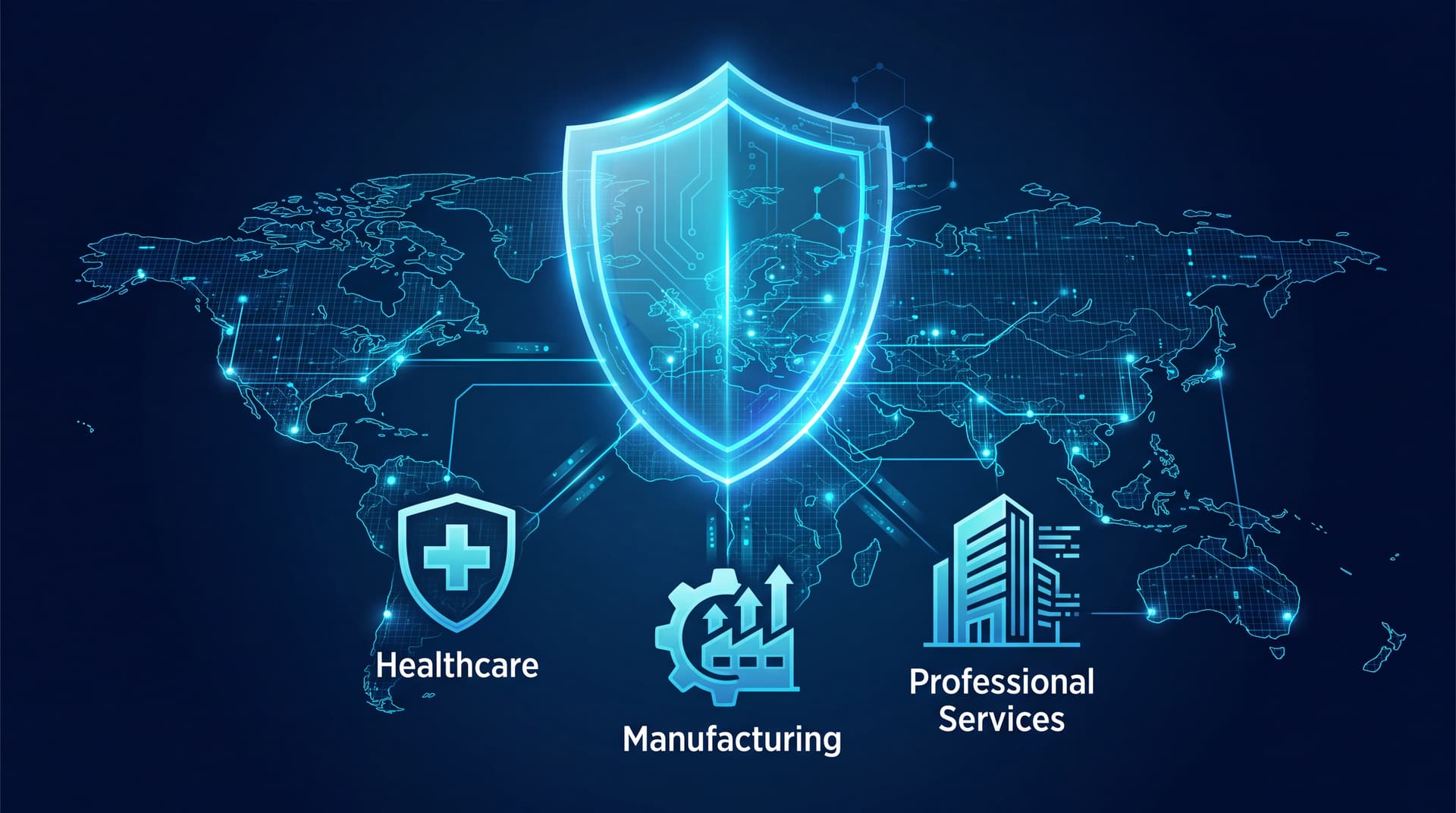
For small and medium-sized businesses (SMBs) in healthcare, manufacturing, and professional services, cloud computing is no longer just an operational upgrade—it is a strategic necessity. Navigating the complexities of digital transformation requires a structured approach to cloud migration, robust architecture, and uncompromising security.
This guide explores practical strategies for adopting cloud-native solutions, optimizing hybrid environments, and securing your infrastructure to support sustainable business growth.
Designing a Phased Cloud Migration Strategy
A successful cloud migration minimizes disruption while maximizing ROI. For regulated industries like healthcare and precision-driven sectors like manufacturing, a phased migration strategy is essential.
- Comprehensive Workload Assessment: Begin by cataloging all applications and data. Identify which legacy systems require refactoring, which can be rehosted (lift-and-shift), and which are better replaced by SaaS alternatives.
- Prioritize Non-Critical Systems: Migrate staging environments or administrative applications first. This allows your IT team to test workflows and resolve bottlenecks before moving mission-critical databases.
- Compliance Mapping: Ensure that your migration path aligns with industry regulations, such as HIPAA for healthcare or CMMC for defense manufacturing, by selecting compliant data centers and encryption standards.
Enhancing Operations with Azure M365
Adopting Microsoft Azure and the M365 ecosystem provides SMBs with enterprise-grade productivity and infrastructure tools without the enterprise price tag.
- Unified Collaboration: Professional services firms can streamline document management and client communications through deeply integrated SharePoint, Teams, and OneDrive deployments.
- Scalable Infrastructure: Azure allows manufacturing firms to scale computational power dynamically, supporting intensive resource planning (ERP) systems and supply chain analytics during peak production cycles.
- Centralized Device Management: Utilizing Microsoft Intune within the M365 suite enables IT administrators to manage endpoints securely, regardless of whether employees are on the factory floor, at a clinic, or working remotely.
Optimizing Hybrid and Multi-Cloud Environments
Not all workloads belong in the public cloud. A hybrid or multi-cloud strategy offers the flexibility to keep sensitive data on-premises while leveraging the cloud for scalable computing.
- Latency and Edge Computing: Manufacturing facilities often require edge computing to process IoT sensor data in real-time. A hybrid model allows this data to be processed locally while historical analytics are pushed to the cloud.
- Vendor Diversification: Multi-cloud management prevents vendor lock-in. By distributing workloads across different cloud providers, professional services firms can optimize costs and ensure high availability.
- Disaster Recovery: Hybrid environments are highly effective for business continuity. On-premises systems can automatically failover to cloud replicas, minimizing downtime during unexpected disruptions.
Embedding Zero Trust Security in Cloud Deployments
As data moves outside the traditional corporate perimeter, legacy security models are insufficient. A Zero Trust framework—operating on the principle of "never trust, always verify"—is fundamental to modern cloud deployments.
- Identity and Access Management (IAM): Implement strict access controls where users and devices are authenticated continuously. Multi-factor authentication (MFA) and conditional access policies ensure that only authorized personnel can access sensitive patient records or proprietary manufacturing blueprints.
- Micro-segmentation: Divide your cloud environment into secure zones. If a threat actor breaches one area, micro-segmentation prevents lateral movement across the network.
- Continuous Monitoring: Utilize automated threat detection and response tools to monitor cloud traffic for anomalous behavior, ensuring rapid mitigation of potential vulnerabilities.
Conclusion
Transitioning to a modern cloud infrastructure empowers SMBs to operate with greater agility, resilience, and security. By carefully planning your migration, maximizing platforms like Azure M365, balancing workloads across hybrid environments, and enforcing Zero Trust architecture, your organization can build a technological foundation ready for the future.
Ready to modernize your IT infrastructure? Book a discovery call with Bitscaled today to develop a customized, secure cloud strategy for your business.