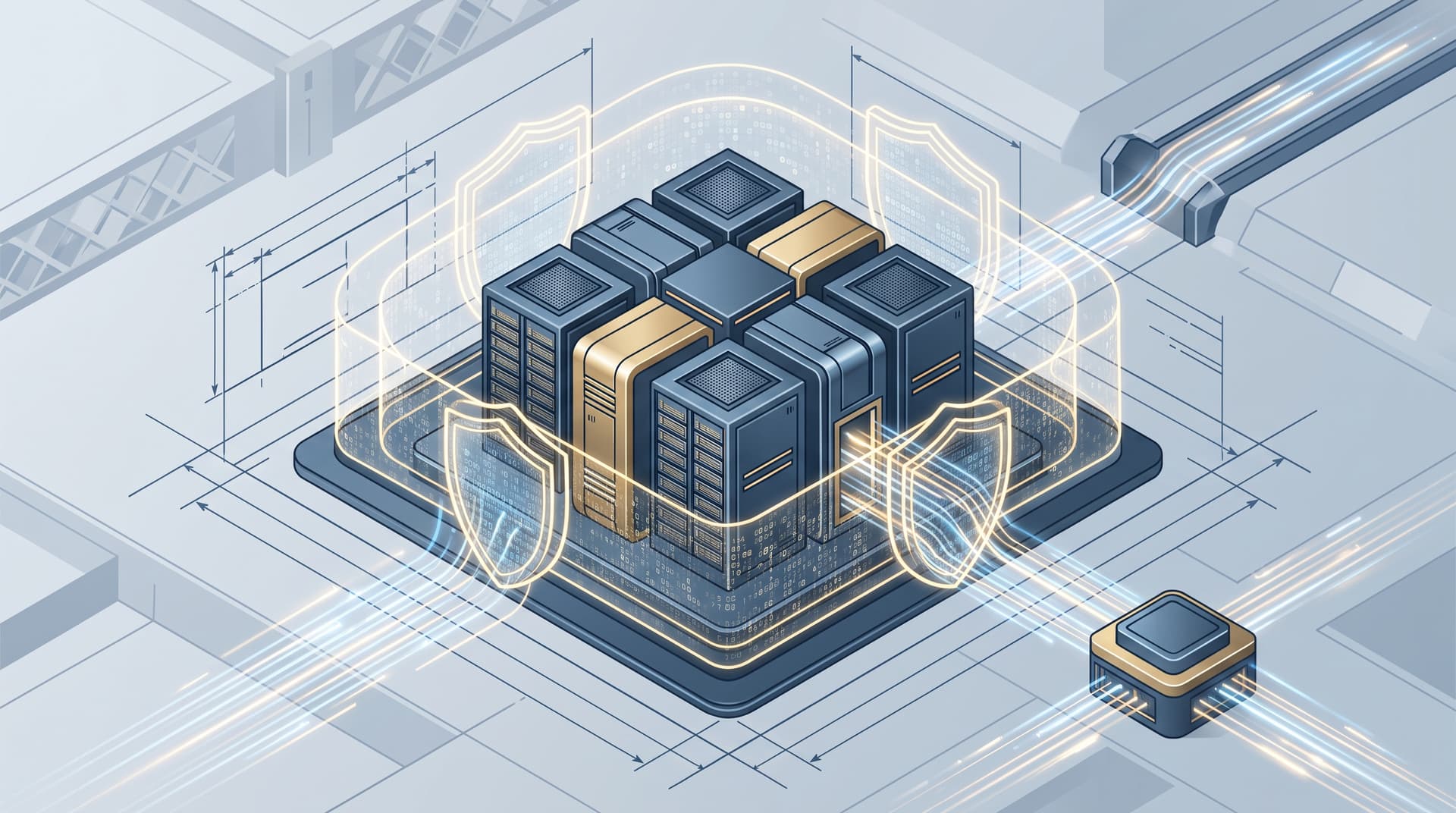
As we move into June 2026, the cyber threat landscape for small and medium-sized businesses (SMBs) continues to evolve at an unprecedented pace. Threat actors are increasingly turning their attention toward healthcare providers, manufacturing plants, and professional services firms. These sectors hold highly sensitive data and face critical operational downtime costs, making them prime targets for sophisticated ransomware and targeted phishing campaigns.
The Phishing Epidemic in Healthcare and Professional Services
Phishing remains the primary initial access vector for cybercriminals. In professional services and healthcare, attackers are deploying highly personalized spear-phishing campaigns. These emails often mimic trusted vendors, internal IT support, or patient portals.
To combat this, organizations must move beyond basic spam filters. Advanced endpoint security and continuous employee awareness training are critical. Implementing robust email security protocols helps intercept malicious payloads before they ever reach an employee's inbox.
Manufacturing Under Attack: Operational Ransomware
For manufacturing SMBs, ransomware is no longer just a data breach—it is an operational catastrophe. Modern ransomware variants are designed to halt production lines by compromising Industrial Control Systems (ICS) alongside traditional IT networks.
Defending against these disruptions requires strict network segmentation. By isolating manufacturing hardware from standard corporate environments, businesses can prevent lateral movement during a breach. Rapid incident response plans must also be established and regularly tested to ensure production can resume quickly if a system is compromised.
The Zero Trust Imperative and Azure M365
The most effective defense against these escalating threats is a Zero Trust architecture. Zero Trust operates on a simple principle: never trust, always verify. Every access request must be fully authenticated, authorized, and encrypted before granting access, regardless of where the request originates.
Microsoft Azure and Microsoft 365 (M365) offer powerful, built-in security frameworks to enforce Zero Trust principles for SMBs:
- Conditional Access: Automatically block access attempts from unusual locations or unmanaged devices.
- Multi-Factor Authentication (MFA): Add a critical layer of defense against credential theft.
- Microsoft Defender for Business: Provide enterprise-grade endpoint protection to detect and remediate advanced threats automatically.
- Data Loss Prevention (DLP): Prevent sensitive healthcare records or proprietary manufacturing blueprints from leaving your secure environment.
Conclusion
Cyber threats will only grow more sophisticated throughout 2026. However, by adopting a proactive stance, prioritizing network security, and leveraging modern frameworks like Zero Trust and Azure M365, SMBs can build resilient defenses that protect their data, operations, and reputation.
Is your business prepared to face today's advanced cyber threats? Book a discovery call with Bitscaled to ensure your security posture is ready for whatever comes next.