Neutralizing Advanced BEC and Phishing Threats in Operational Environments
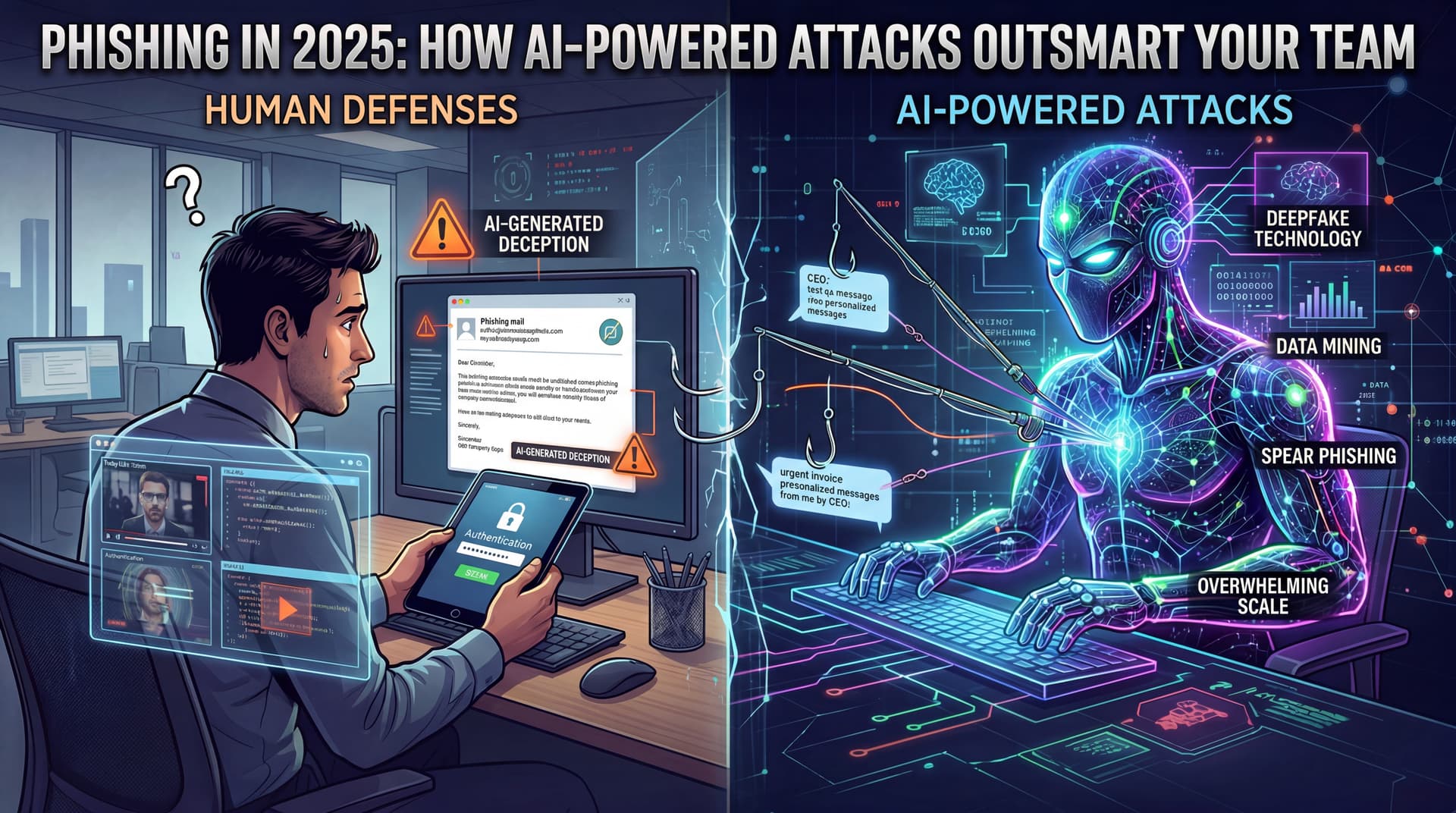
As of May 2026, cybercriminals are bypassing traditional security perimeters with alarming success. For small to medium-sized businesses (SMBs) in healthcare and manufacturing, the threat landscape has shifted aggressively toward Business Email Compromise (BEC) and highly targeted phishing campaigns. These attacks are no longer just about stealing data; they are the primary entry points for catastrophic ransomware deployments and severe HIPAA violations.
Operations managers and COOs must recognize that perimeter-based defense is obsolete. Today, neutralizing these threats requires a fundamental shift in how network access is granted and monitored.
The Anatomy of a Modern BEC Attack
In both manufacturing and healthcare, supply chains and vendor communications are the lifeblood of daily operations. Threat actors exploit this by using sophisticated phishing techniques to harvest employee credentials. Once inside an email account, they silently monitor communications, waiting for the perfect moment to intercept an invoice or redirect a critical payment.
More concerningly, compromised accounts are often weaponized to distribute ransomware across the internal network. In a healthcare setting, this not only halts patient care but also triggers immediate HIPAA breach notification requirements, bringing devastating financial and reputational damage.
Why Traditional Defenses Fail
Legacy security relies on the assumption that anyone inside the corporate network is trustworthy. If a threat actor successfully executes a phishing attack and obtains legitimate credentials, traditional firewalls and basic spam filters will not stop them from moving laterally across your systems. This blind trust is exactly what modern cyber syndicates exploit.
The Zero Trust Architecture Advantage
Zero Trust operates on a simple, uncompromising principle: "Never trust, always verify."
Implementing a zero-trust framework means that every access request is fully authenticated, authorized, and encrypted before granting access, regardless of where the request originates. For healthcare and manufacturing SMBs, this drastically reduces the attack surface. Even if a user falls victim to a phishing email, the attacker cannot automatically access critical patient records or operational control systems.
Enforcing Security with Azure and M365 Conditional Access
To effectively implement zero-trust, organizations must leverage dynamic access policies. Proper Azure and m365-security Conditional Access configurations act as the intelligent gatekeepers of your infrastructure.
- Context-Aware Authentication: Conditional Access evaluates the context of every login attempt. If a login originates from an unusual location, an unmanaged device, or an anonymous IP address, the system can automatically block access or require step-up authentication.
- Strict MFA Enforcement: Multi-Factor Authentication is non-negotiable. Conditional access policies ensure that MFA cannot be bypassed, severely limiting the usefulness of stolen passwords.
- Device Compliance: Access to sensitive data can be restricted solely to company-owned, compliant devices that meet strict security baselines, ensuring malware cannot bridge the gap from a personal device to corporate infrastructure.
Conclusion: Act Before the Breach
Hope is not a security strategy. The financial and operational costs of ransomware and BEC attacks far outweigh the investment required to secure your environment properly. By adopting a zero-trust architecture and strictly enforcing Conditional Access policies, healthcare and manufacturing leaders can protect their critical operations from modern cyber threats.
Secure your infrastructure before a breach occurs. Book a free 15-minute technical risk assessment with Bitscaled today.