Securing Your SMB in June 2026: Actionable Threat Intelligence
As we move into the middle of 2026, small and medium-sized businesses (SMBs) in healthcare, manufacturing, and professional services face an increasingly sophisticated array of cybersecurity threats. From AI-driven phishing to highly targeted ransomware, threat actors are aggressively seeking vulnerabilities in hybrid work environments and interconnected supply chains. Understanding these threats and deploying robust defenses is no longer optional—it is critical to business survival.
1. AI-Driven Phishing and Credential Theft
Phishing campaigns have evolved beyond generic emails. Today, attackers leverage artificial intelligence to craft highly personalized, context-aware messages that easily bypass traditional email filters. In professional services and healthcare, where trust and confidentiality are paramount, these attacks often impersonate executives or trusted vendors to steal credentials or trigger fraudulent wire transfers.
Defense Strategy: Implementing strong endpoint security and continuous employee awareness training are your first lines of defense. However, securing the identity layer is critical.
2. Ransomware Targeting Operational Technology
Manufacturing and healthcare organizations are prime targets for ransomware groups. Attackers recognize that downtime in these sectors can halt production lines or compromise patient care, increasing the likelihood of a rapid payout. Modern ransomware doesn't just encrypt data; it exfiltrates it, leading to double-extortion scenarios where sensitive intellectual property or patient records are held hostage.
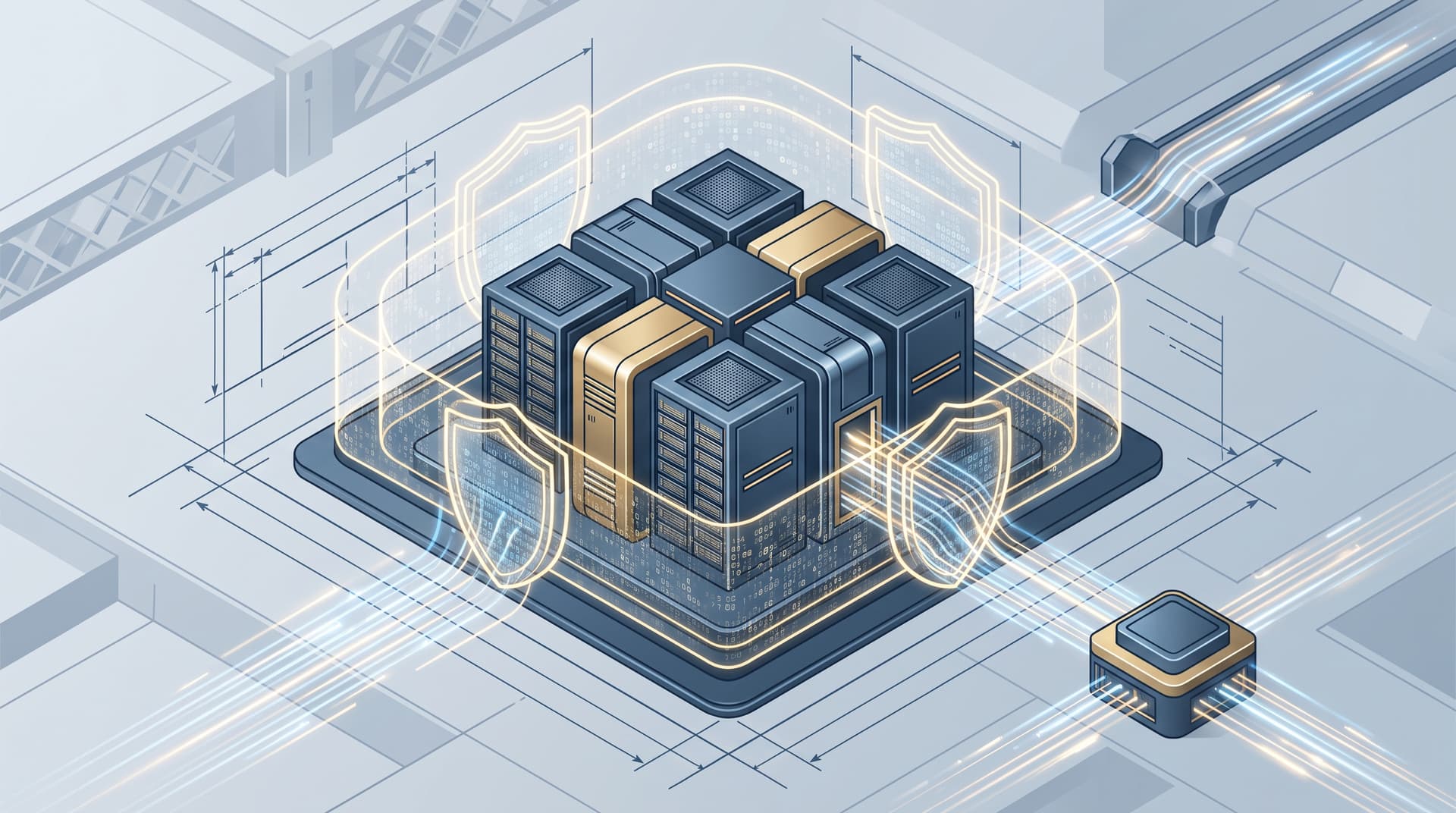
Defense Strategy: Robust network segmentation and automated incident response plans are essential to isolate infected systems before ransomware can spread laterally across your network.
3. The Power of Zero Trust Architecture
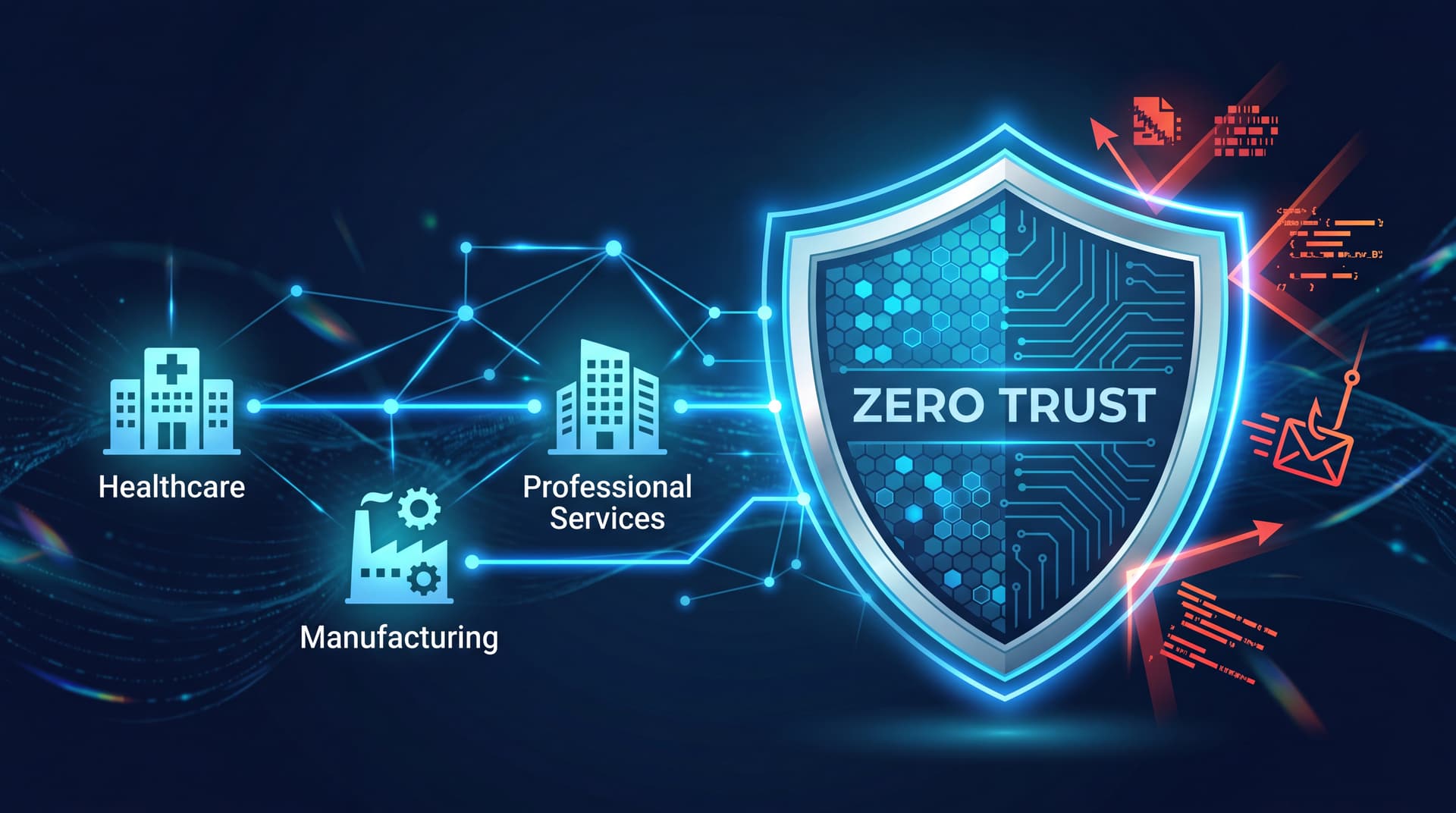
The traditional perimeter-based security model is obsolete. A Zero Trust framework operates on the principle of "never trust, always verify." By requiring strict identity verification for every person and device attempting to access resources on a private network, Zero Trust significantly minimizes the attack surface.
For SMBs, this means enforcing multi-factor authentication (MFA), least-privilege access, and continuous monitoring of network activity. Even if an attacker breaches a single endpoint, Zero Trust policies prevent them from moving laterally to access critical databases.
4. Leveraging Azure M365 Security Frameworks
Microsoft's Azure and M365 ecosystems offer enterprise-grade security tools tailored for SMBs. By utilizing Microsoft Defender for Business and Microsoft Entra ID, organizations can seamlessly integrate Zero Trust principles into their daily operations.
Key M365 security features include:
- Conditional Access Policies: Automatically block access from suspicious locations or non-compliant devices.
- Data Loss Prevention (DLP): Prevent sensitive healthcare or financial data from being shared outside the organization.
- Advanced Threat Protection: Detect and neutralize malicious links and attachments in real-time.
Conclusion
The cyber threat landscape for SMBs is complex, but it is manageable with the right strategy and technology. By adopting a Zero Trust mindset and maximizing the capabilities of Azure M365, your organization can defend against today's most aggressive threats.
Ready to assess your current security posture and implement these advanced defenses? Book a discovery call with Bitscaled today to protect your business's future.