Shielding SMBs from June 2026 Cyber Threats: Ransomware, Phishing, and Zero Trust
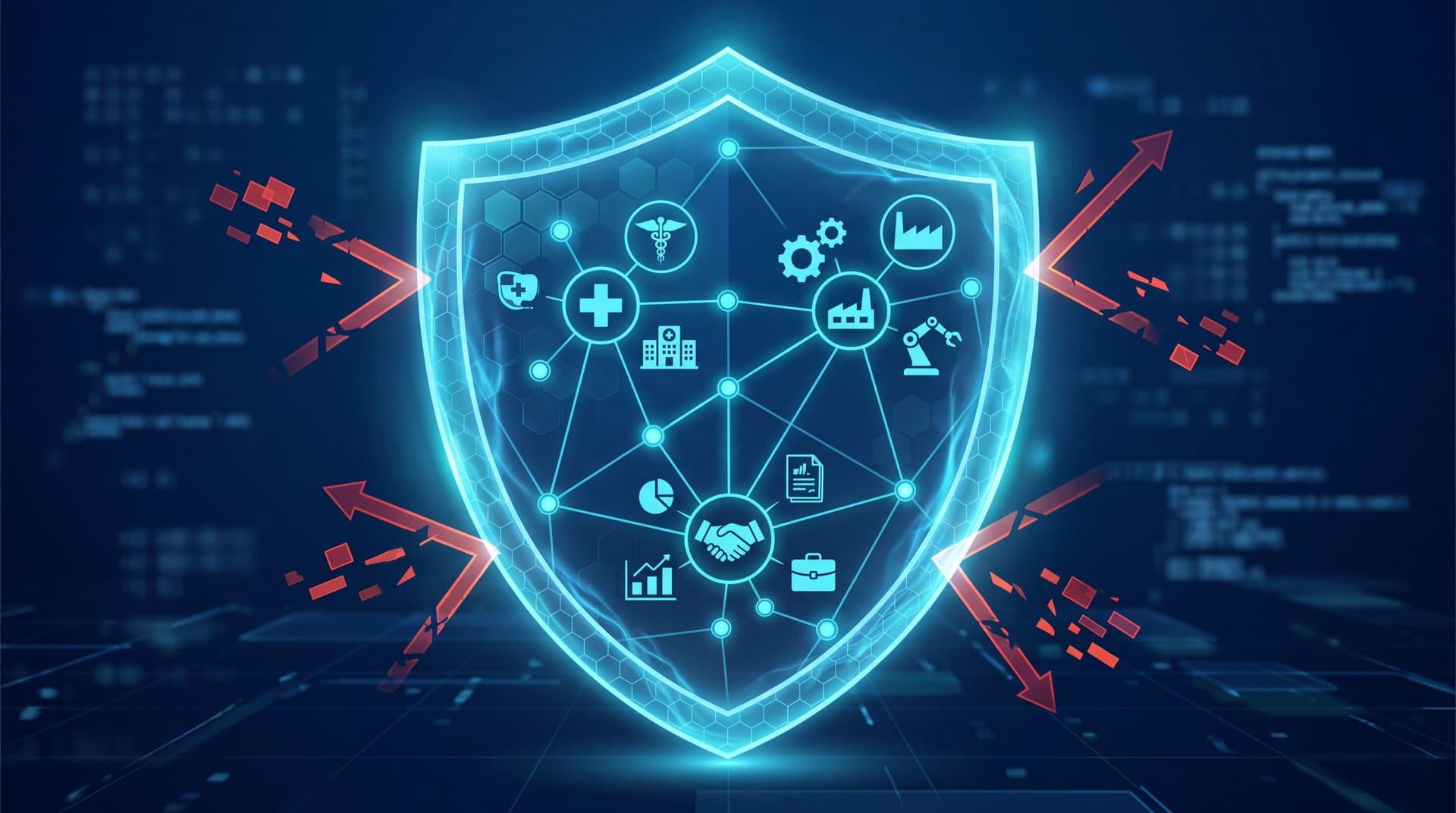
As we move through mid-2026, the cyber threat landscape for small and medium-sized businesses (SMBs) continues to evolve at a relentless pace. Threat actors are increasingly targeting SMBs in healthcare, manufacturing, and professional services, exploiting the gap between enterprise-level threats and mid-market defense budgets. Understanding these threats and implementing modern security frameworks is no longer optional—it is a critical business imperative.
Sector-Specific Targets and Tactics
Cybercriminals tailor their campaigns to exploit the unique operational pressures of specific industries:
- Healthcare: Patient data remains highly lucrative. Attackers frequently use double-extortion ransomware, threatening to leak sensitive Protected Health Information (PHI) if demands are not met, capitalizing on the urgency of patient care.
- Manufacturing: Operational Technology (OT) and IT convergence has expanded the attack surface. Ransomware targeting manufacturing often aims to halt production lines, knowing that downtime costs can quickly exceed the ransom demand.
- Professional Services: Legal, financial, and consulting firms are prime targets for Business Email Compromise (BEC) and AI-driven phishing campaigns, given their access to confidential client IP and high-value financial transactions.
The Escalation of Ransomware and Phishing
In June 2026, we are witnessing a surge in AI-generated phishing emails that easily bypass traditional, signature-based email filters. These localized, highly personalized emails trick employees into credential harvesting portals. Once inside, attackers move laterally, seeking to deploy advanced ransomware strains that can disable local backups and encrypt network-attached storage within minutes. Modern endpoint security must go beyond legacy antivirus to detect these behavioral anomalies.
Fortifying Defenses with Zero Trust and Azure M365
To combat these sophisticated threats, SMBs must abandon the traditional perimeter-based security model in favor of modern architectures.
- Zero Trust Architecture: Adopting a "never trust, always verify" approach is your strongest defense. Zero Trust ensures that every access request is fully authenticated, authorized, and encrypted before granting access, regardless of whether the user is inside or outside the corporate network.
- Azure M365 Security: Leveraging the built-in security features of Microsoft 365 and Azure provides enterprise-grade protection for SMBs. Implementing Conditional Access policies, Microsoft Defender for Endpoint, and strictly enforced Multi-Factor Authentication (MFA) creates a robust barrier against credential theft and lateral movement. Defender's automated incident response capabilities can isolate compromised endpoints before ransomware spreads.
Proactive Incident Response
Technology alone cannot prevent every breach. A documented, regularly tested Incident Response (IR) plan ensures your team knows exactly how to react when an anomaly is detected. Defining roles, establishing secure communication channels, and practicing isolation protocols will significantly minimize dwell time and operational impact.
Secure Your Future Today
Do not wait for a breach to evaluate your security posture. Threat actors are constantly refining their tactics, and your defenses must keep pace. Book a discovery call with Bitscaled today to learn how our experts can implement tailored Zero Trust and Azure M365 security frameworks to protect your critical business assets.