Business Email Compromise (BEC) remains one of the most financially devastating cyber threats facing modern organizations. Cybercriminals are no longer just hacking into networks; they are simply asking for money by impersonating executives and trusted vendors. The primary vehicle for this deception? Email spoofing.
To combat this, organizations must implement robust email authentication protocols. But how do you know if your defenses are actually working? Bitscaled has developed a free tool to help you find out.
The Anatomy of Email Spoofing and Wire Fraud
Email spoofing occurs when an attacker forges the "From" address of an email so that it appears to come from a legitimate source. If a company lacks proper email authentication, an attacker can easily send an email posing as the CEO or Chief Financial Officer, directing an employee to urgently wire funds or change payroll routing details.
Because the email looks identical to a genuine internal request, employees often comply, leading to catastrophic financial losses. The only reliable way to stop this is by cryptographically proving the sender's identity.
Decoding the Alphabet Soup: SPF, DKIM, and DMARC
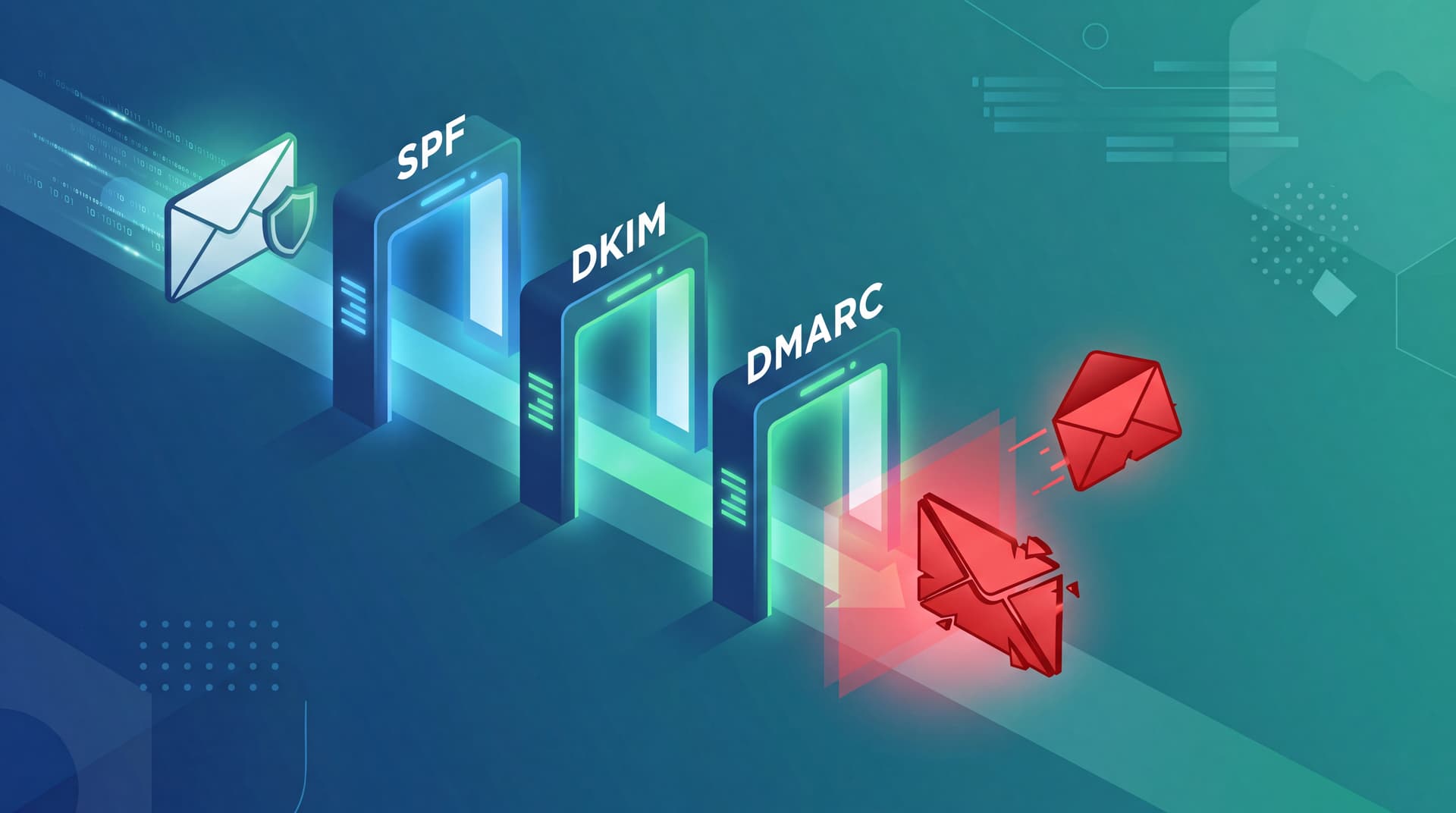
Stopping spoofing relies on three interconnected security protocols. Here is what they mean in plain language:
- SPF (Sender Policy Framework): Think of this as a guest list at an exclusive event. SPF is a DNS record that lists exactly which servers and IP addresses are allowed to send emails on behalf of your domain. If an email arrives from a server not on the list, it gets flagged.
- DKIM (DomainKeys Identified Mail): This acts as a tamper-evident wax seal on your email. DKIM adds a digital signature to your messages, proving that the email genuinely originated from your domain and was not altered in transit.
- DMARC (Domain-based Message Authentication, Reporting, and Conformance): DMARC is the bouncer who enforces the rules. It ties SPF and DKIM together and tells the receiving email server what to do if an email fails authentication—whether to do nothing, send it to spam, or reject it entirely.
Using the Bitscaled Email Spoof Test
Implementing these protocols is notoriously tricky. A simple syntax error in your DNS records can cause legitimate emails to bounce, while a policy that is too loose will leave you vulnerable to BEC.
That is why we created the Email Spoof Test. This free assessment allows IT leads and executives to instantly verify their domain's readiness.
How to Interpret Your Results
- Run the Assessment: Enter your domain into the tool.
- Review SPF and DKIM Validity: The test will highlight missing records, syntax errors, or overly permissive configurations (like "too many DNS lookups" in SPF).
- Check DMARC Enforcement: Many organizations have a DMARC record but leave the policy set to "none" (monitoring only). The tool will flag this as a critical gap. To actively block wire fraud attempts, your goal is to move safely toward a "reject" policy.
- Prioritize Fixes: Start by correcting broken SPF/DKIM syntax, then map your third-party email senders before enforcing stricter DMARC policies.
Secure Your Domain Today
Don't wait for a costly wire fraud incident to discover your domain is unprotected. Run your domain through the free Email Spoof Test today to see exactly where you stand.
Email authentication can be complex, and misconfigurations can disrupt your business communications. If your test results show vulnerabilities, reach out to Bitscaled. Our cybersecurity team can help you remediate gaps, securely enforce DMARC, and lock down your domain against BEC attacks.