Bridging the Gap: Aligning ERP Systems with Plant Floor Operations
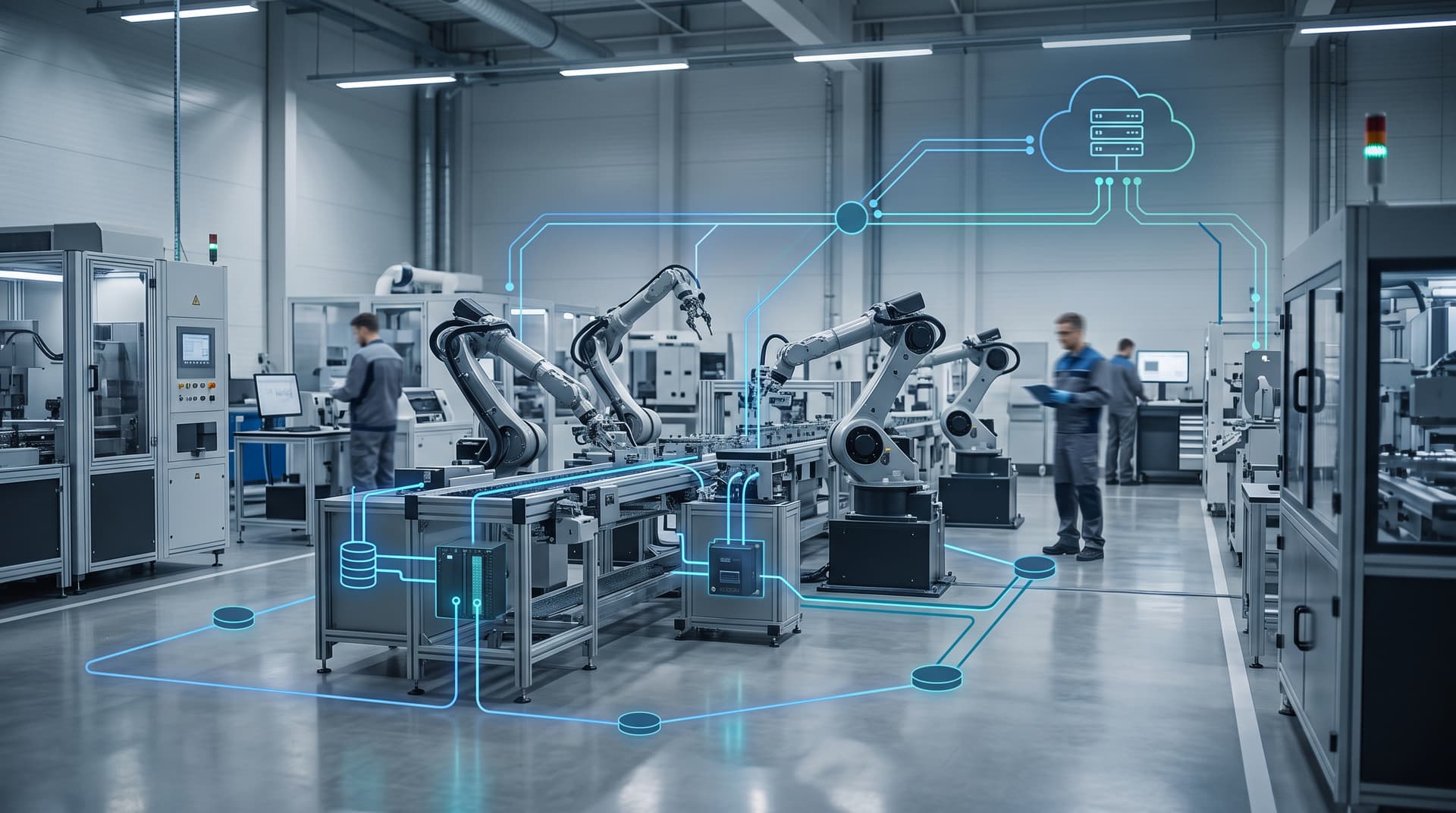
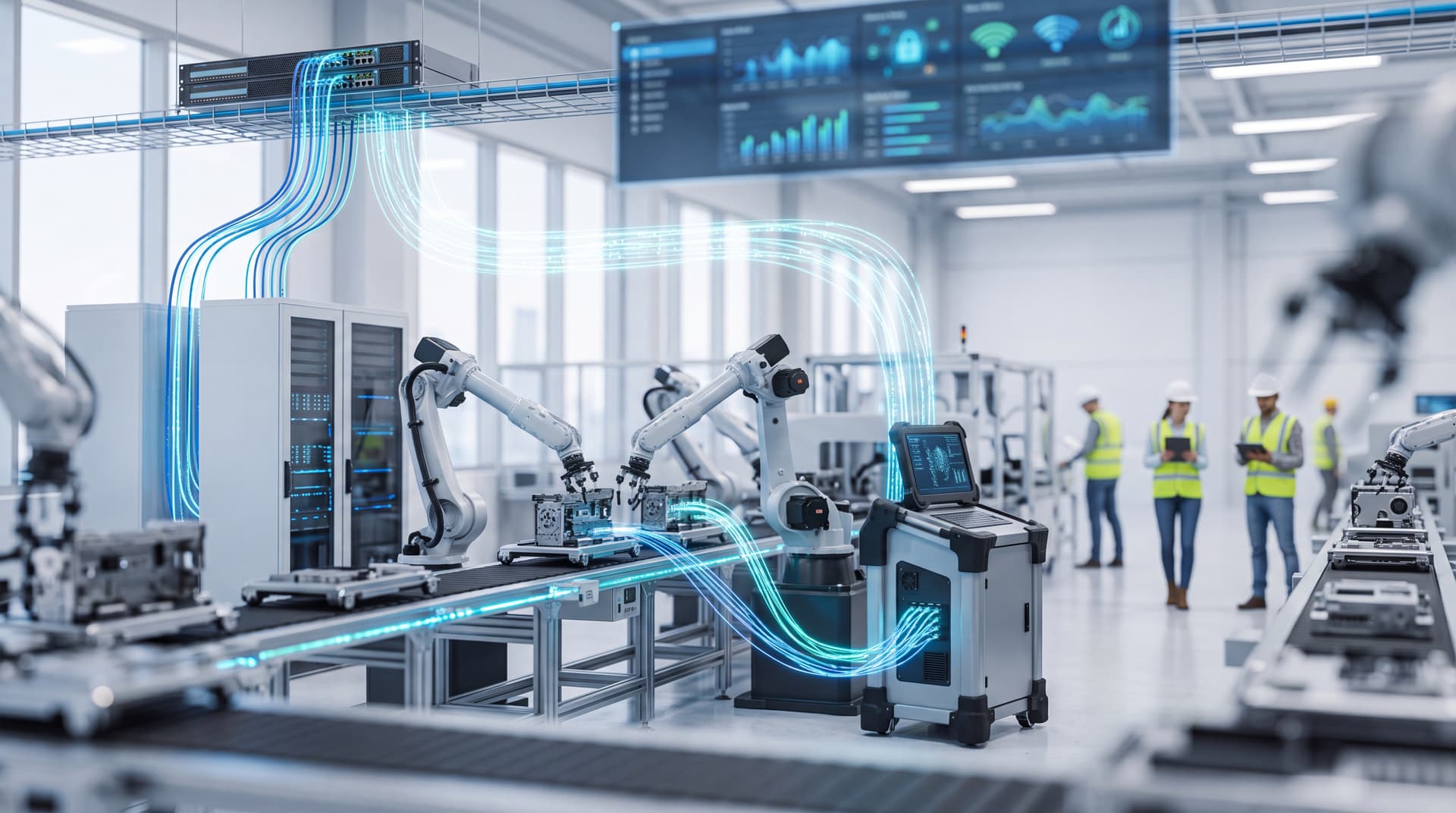
In modern manufacturing, Enterprise Resource Planning (ERP) systems act as the central nervous system, while the plant floor serves as the beating heart of production. When these two environments operate in silos, the resulting friction can halt assembly lines and compromise safety. For plant managers and operations technology (OT) leads, aligning manufacturing IT with physical production is no longer optional—it is a critical requirement for maintaining plant uptime.
The True Cost of Production Downtime
When ERP availability falters or network instability seeps into the production floor, the financial impact extends far beyond the IT department. While the exact cost varies by facility, unexpected downtime consistently results in spoiled raw materials, idle labor, and missed shipping SLAs. Every minute of halted production cascades through the supply chain, eroding margins and damaging customer trust. Framing these risks around operational continuity highlights the need for a resilient, unified infrastructure.
Establishing Rigid OT/IT Boundaries
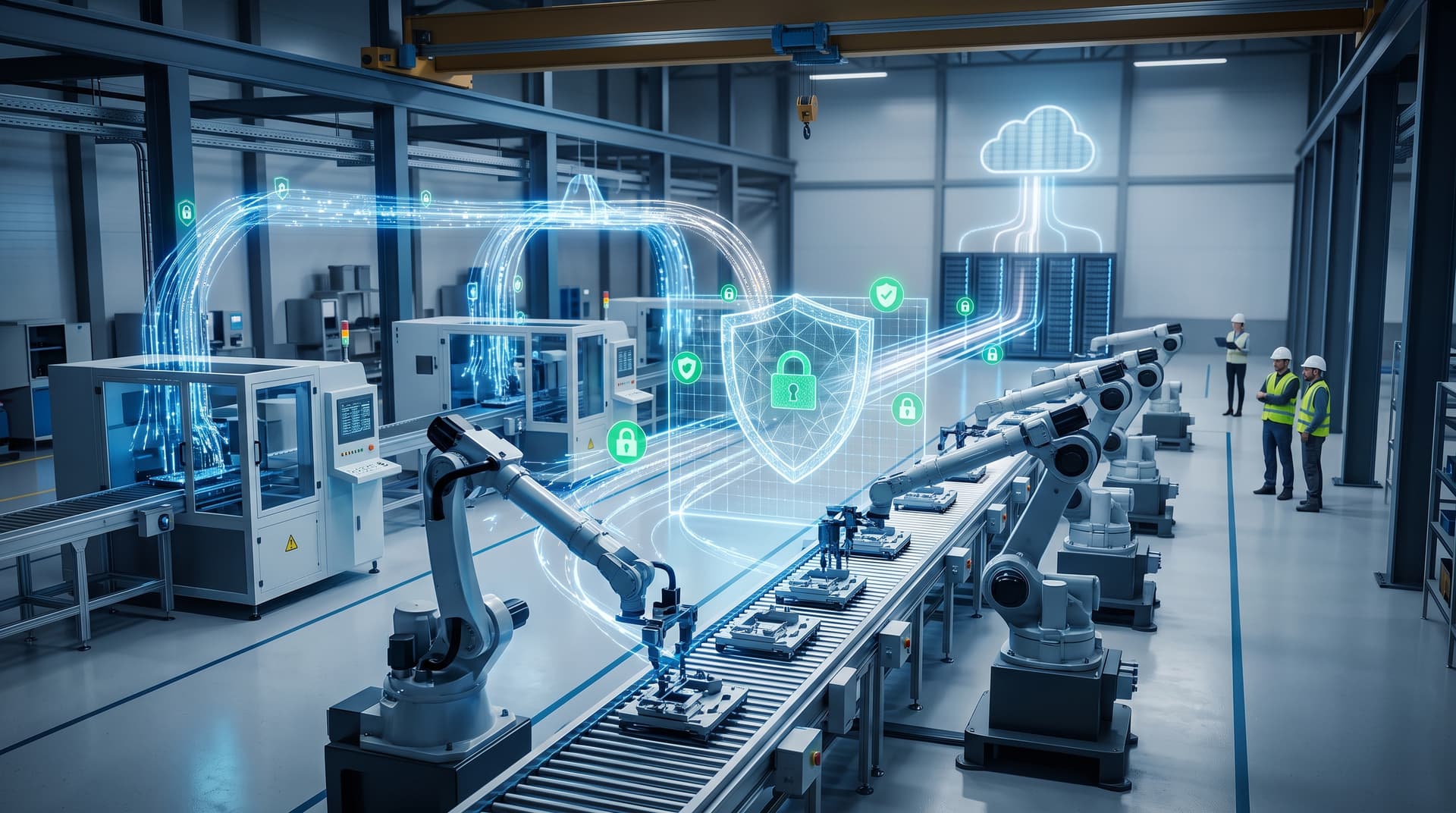
The convergence of IT and OT introduces significant efficiency gains but also expands the attack surface. Effective OT segmentation is essential. By deploying industrial demilitarized zones (IDMZs) and strict firewall rules, facilities can ensure that a malware infection on a front-office workstation does not propagate to critical programmable logic controllers (PLCs) or robotics. This boundary protects the physical safety of plant personnel and the integrity of the manufacturing process.
Synchronizing Patch Windows
Standard corporate IT patch policies often mandate aggressive reboot schedules that are incompatible with 24/7 manufacturing operations. A forced server restart during an active production run can cause catastrophic data loss and equipment faults. IT and OT teams must collaborate to establish synchronized patch windows that align with planned maintenance shifts or tooling changeovers. This cooperative approach ensures systems remain secure without sacrificing plant uptime.
Securing Supplier Portals
Modern supply chains rely on deeply integrated digital portals where vendors manage inventory, submit invoices, and view production forecasts. However, these supplier portals often serve as a bridge directly into the ERP. Implementing multi-factor authentication (MFA), role-based access controls, and continuous monitoring on these gateways prevents compromised third-party credentials from turning into internal operational crises.
Conclusion
Harmonizing the digital enterprise with physical manufacturing requires specialized strategies that respect the demands of the plant floor. Stabilize production systems with Bitscaled manufacturing IT programs, designed specifically to bridge the gap between enterprise software and operational technology.