Securing Law Firm Data: Trust and Confidentiality
Client trust is the bedrock of any successful legal practice. In today's digital landscape, that trust is intrinsically tied to your firm's IT infrastructure. A single compromised email or improperly accessed case file can lead to devastating malpractice claims, regulatory penalties, and irreparable reputational damage. To safeguard client confidentiality, managing partners and firm administrators must prioritize strict access controls and robust email authentication.
Matter Data Isolation: Enforcing Need-to-Know Access
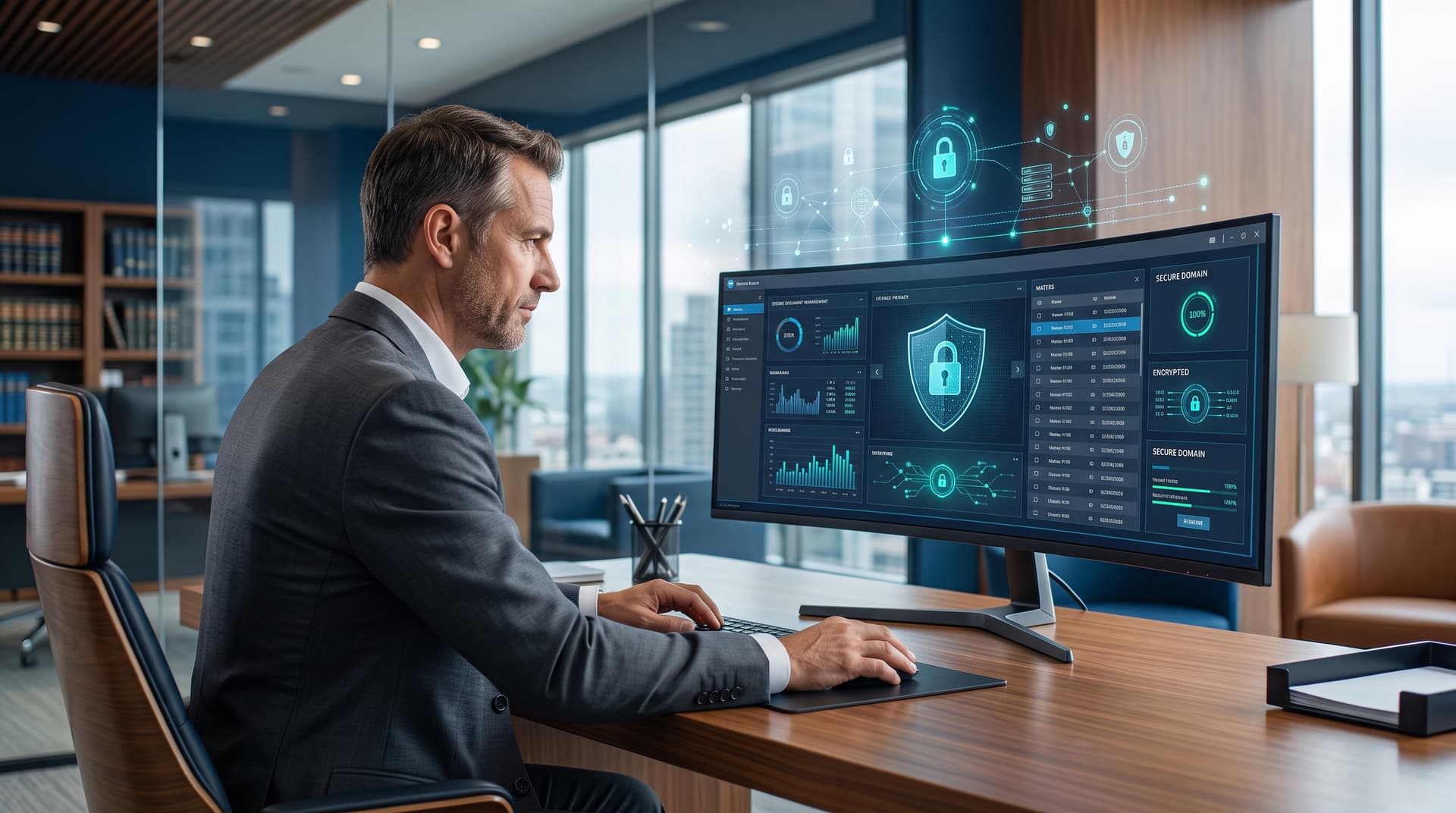
Legal professionals handle highly sensitive information, from proprietary merger details to confidential litigation strategies. Implementing matter data isolation ensures that case files are only accessible to the specific attorneys and paralegals assigned to that matter.
- Role-Based Access Control (RBAC): Establish ethical walls to restrict document visibility.
- Limit Lateral Movement: If a single account is compromised, isolated data prevents a firm-wide breach.
- Mitigate Insider Risk: Reduce the chance of accidental exposure or unauthorized internal access.
Fortifying Email Trust with DMARC, SPF, and DKIM
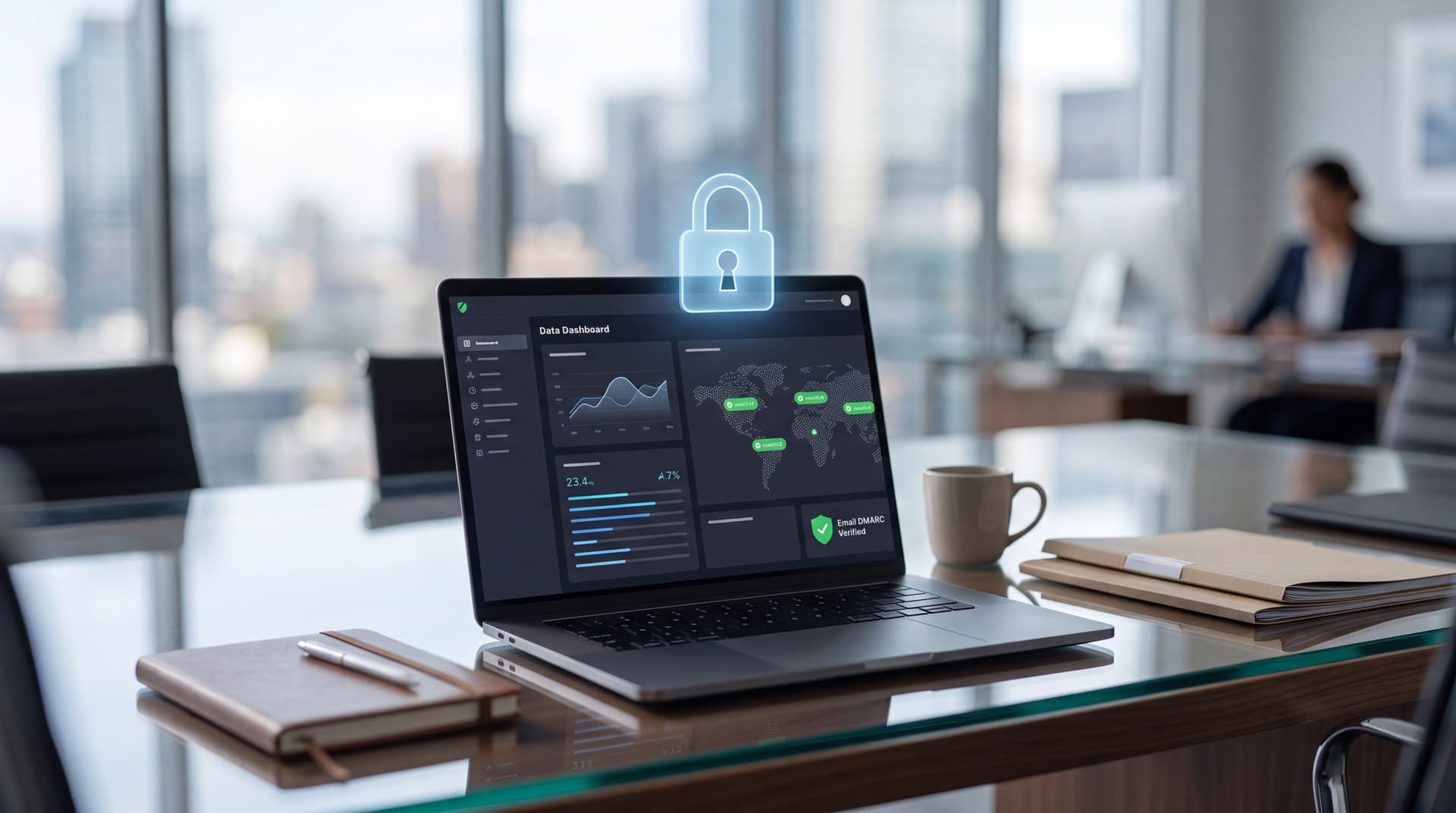
Email remains the primary communication tool in the legal sector, making it a prime target for cybercriminals. Attackers often spoof firm domains to intercept communications or launch phishing campaigns against clients.
- Implement Core Protocols: Deploy Sender Policy Framework (SPF), DomainKeys Identified Mail (DKIM), and Domain-based Message Authentication, Reporting, and Conformance (DMARC).
- Protect Firm Identity: These protocols guarantee that emails purportedly from your firm are legitimate.
- Preserve Client Trust: By preventing domain spoofing, you ensure client communications remain confidential and trusted.
Modernizing Secure File Sharing
Relying on standard email attachments for sensitive documents is a critical vulnerability for modern law firm IT.
- Transition to secure, encrypted file-sharing platforms designed for legal technology environments.
- Utilize expiring links and password protection for external sharing.
- Maintain comprehensive audit logs to track precisely when and by whom a document was accessed.
Wire-Fraud Prevention Workflows
Real estate transactions, settlements, and trust account payouts are frequent targets for business email compromise (BEC) and wire fraud. Cybercriminals monitor compromised inboxes to inject fraudulent wiring instructions at the most critical moments.
- Enforce MFA: Establish multi-factor authentication for all firm email accounts.
- Strict Verification: Implement workflows requiring voice confirmation via a known phone number for any changes to wiring instructions.
- Technical Controls: Utilize technology that automatically flags external emails, suspicious forwarding rules, and unusual login locations.
Protect Your Firm's Reputation
Malpractice risks tied to poor data security are entirely preventable with the right legal technology partner. By isolating matter data, securing file transfers, and locking down email authentication, your firm can operate with absolute confidence. Harden email authentication and access controls with Bitscaled to ensure your clients' most sensitive information remains fully protected.