Maximizing Logistics IT Reliability: WMS, Scan Guns, and Storm Prep
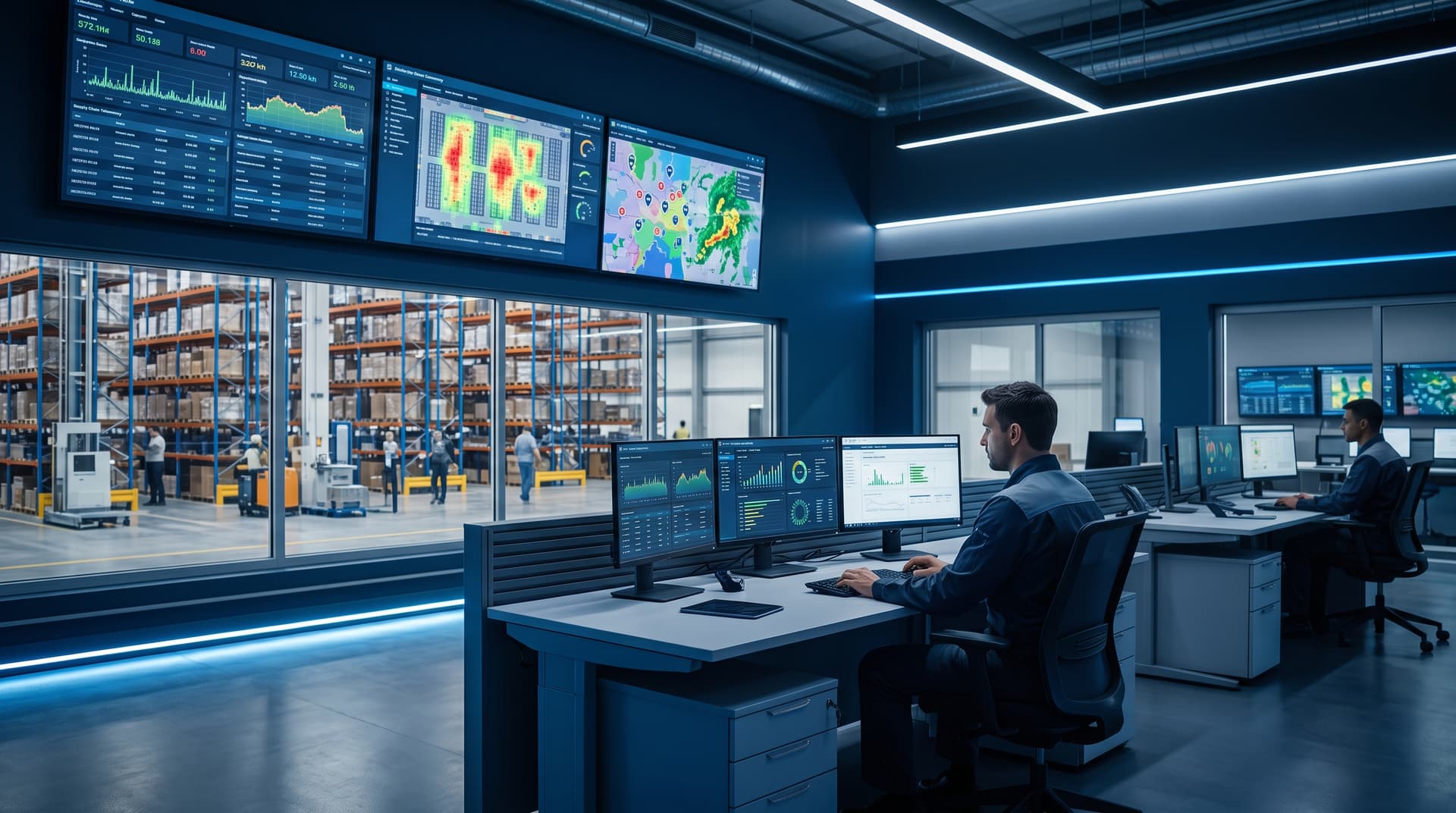
In the fast-paced world of logistics and warehousing, every second of delay impacts the bottom line. When your warehouse technology fails, picking halts, trucks sit idle, and delivery windows are missed. For warehouse and transportation operations leaders, maintaining a resilient logistics IT infrastructure is the only way to guarantee consistent throughput.
Whether you are dealing with transportation management systems (TMS) or warehouse management systems (WMS), system reliability is non-negotiable. Here is how operations leaders can optimize their infrastructure to prevent bottlenecks, especially in high-risk environments like Florida.
Eliminating Dead Zones: Scan Gun Wi-Fi Reliability
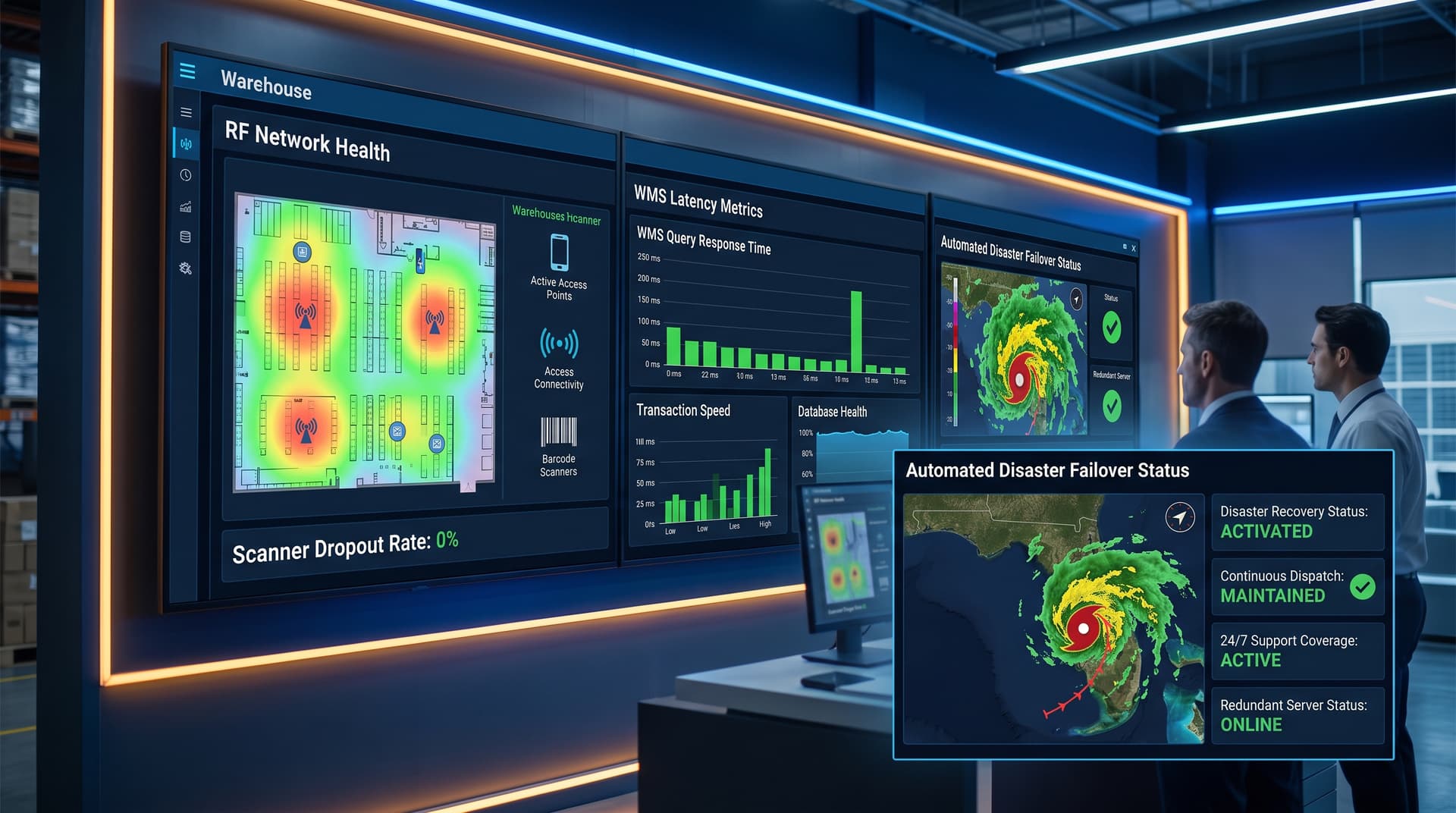
A frequent hidden killer of warehouse throughput is poor wireless coverage. When scan guns drop connection or struggle to hand off between access points, pickers are forced to wait or walk to find a signal.
- Seamless Access Point Handoffs: Ensure your network is configured for fast roaming so scan guns stay connected as workers move down aisles.
- Interference Mitigation: Racking systems, especially those holding metal or liquid products, severely disrupt Wi-Fi signals. Conduct regular wireless site surveys to adjust antenna placement and eliminate dead zones.
Eradicating WMS and TMS Latency
WMS latency creates a compounding drag on productivity. If a worker has to wait three seconds for a barcode scan to register, those seconds add up to hours of lost labor daily.
- Local Edge Computing: For critical warehouse technology, keeping processing power on-site or using optimized edge caching can dramatically reduce the round-trip time for data.
- Optimized TMS Integrations: Your TMS needs real-time communication with your WMS to coordinate dock doors and dispatch. Ensure API connections are streamlined and network bandwidth is prioritized for operational traffic.
Florida Storm-Season Continuity
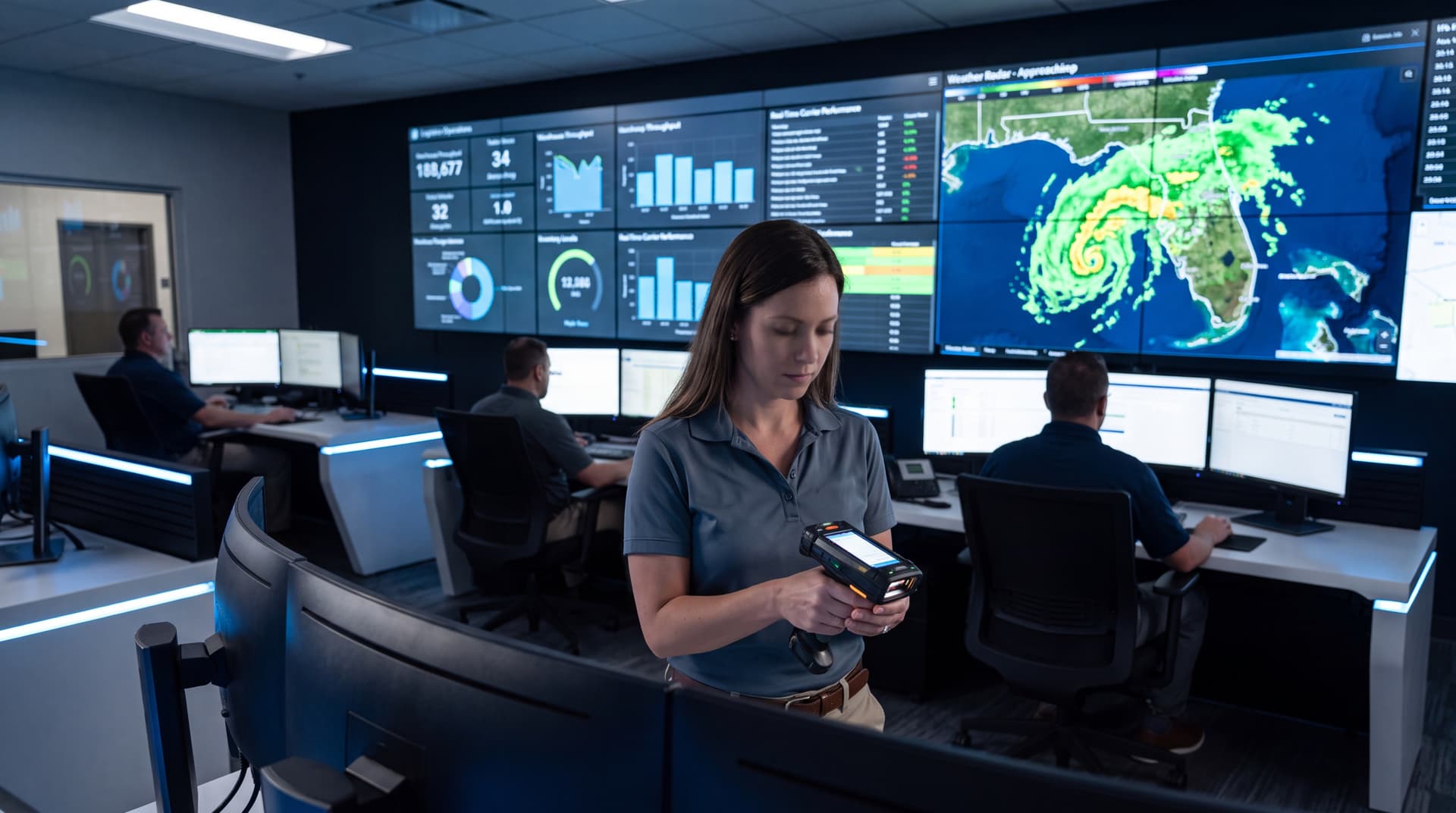
For warehouses operating in Florida, hurricane season introduces severe business continuity risks. Logistics IT must be designed to survive extreme weather and power loss.
- Redundant Internet Connections: Relying on a single ISP is a liability. Implement a secondary cellular or satellite failover that automatically activates if terrestrial lines are severed.
- Cloud Backups and Failover: Ensure your WMS data is continuously backed up to geographically diverse cloud servers, allowing operations to resume immediately once power is restored or shift to a secondary facility.
The Necessity of 24/7 After-Hours Support
Supply chains do not sleep. Trucks are loaded at 2 AM, and cross-docking operations run around the clock. If your logistics IT infrastructure experiences an outage during the night shift, waiting until 8 AM for an IT technician is catastrophic. Comprehensive after-hours support guarantees that network drops or TMS glitches are addressed immediately, keeping dispatch on schedule.
Conclusion
Throughput depends on an invisible foundation of reliable networks, low-latency applications, and proactive disaster planning. Improve dispatch and warehouse uptime with Bitscaled. Our tailored IT solutions keep your operations moving, no matter the conditions.