Elevating Brand Trust in the Inbox with BIMI and DMARC
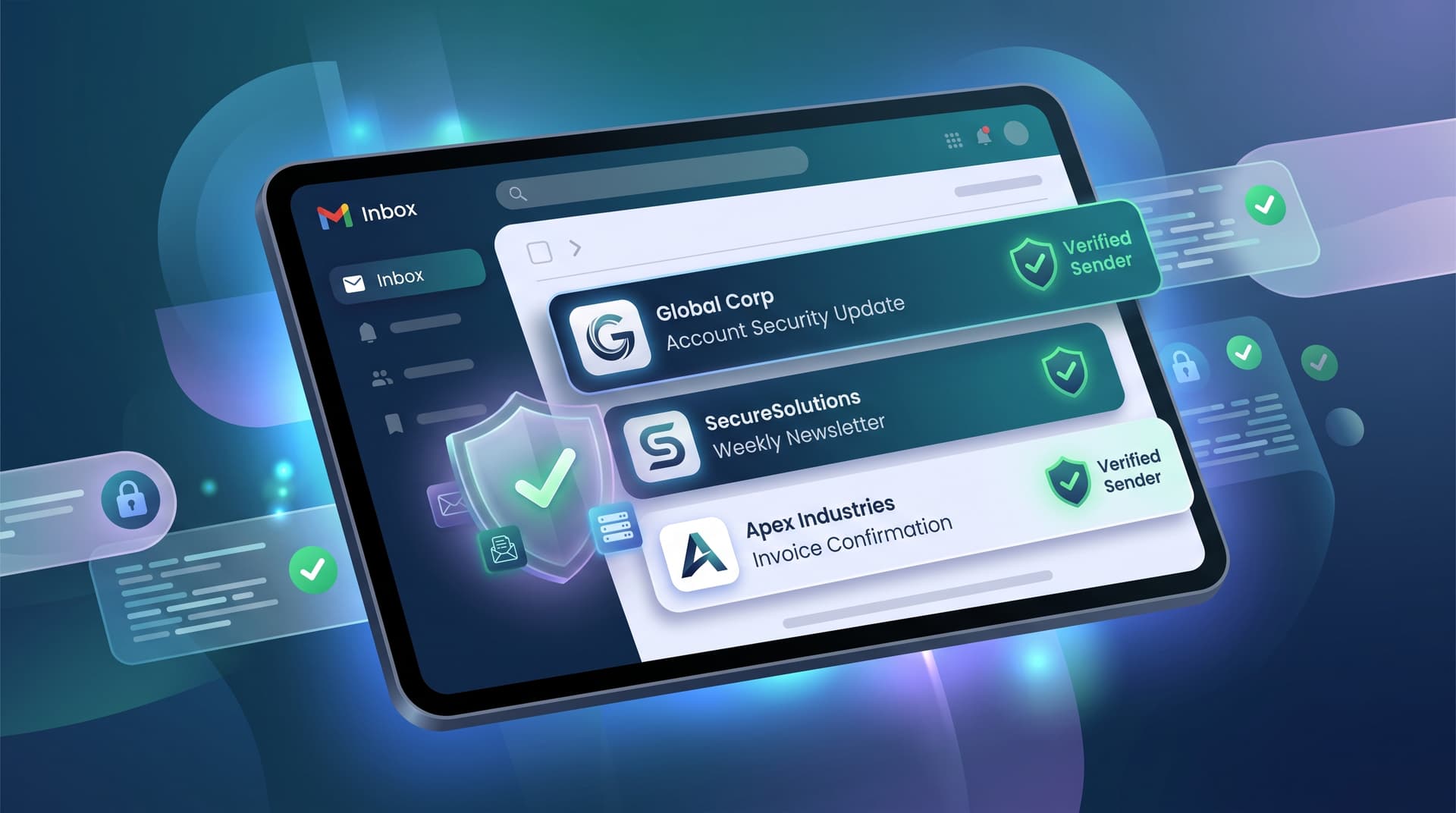
In an era where email remains a primary channel for executive communications and marketing campaigns, standing out in a crowded inbox is critical. Brand Indicators for Message Identification (BIMI) allows organizations to display their official trademarked logo directly alongside outbound emails in supported email clients. Beyond visual branding, BIMI serves as a powerful symbol of sender authentication and security.
Understanding how to implement BIMI effectively requires navigating prerequisite authentication protocols, setting appropriate DMARC enforcement levels, and managing brand impersonation risks.
What is BIMI and Why Does It Matter for Marketing Teams?
BIMI is an email specification that enables domain owners who have published strong DMARC policies to display a verified brand logo next to authenticated messages. For marketing and executive communications leaders, BIMI offers two main advantages:
- Visual Recognition: Increases open rates and engagement by immediately signaling trust in the user's inbox.
- Authenticity Verification: Differentiates legitimate corporate outreach from phishing attempts and spoofed messages.
Key BIMI Prerequisites
Before your organization's logo can appear in subscriber inboxes, several foundational standards must be met:
- SPF (Sender Policy Framework): A published DNS record designating authorized mail servers.
- DKIM (DomainKeys Identified Mail): Cryptographic signatures attached to outgoing messages to verify integrity.
- DMARC Policy Enforcement: Domain-based Message Authentication, Reporting, and Conformance set to strict enforcement (
p=quarantineorp=reject). - SVG Logo Format: A standardized, vector-formatted SVG file adhering to strict BIMI specifications.
- VMC (Verified Mark Certificate): A digital certificate issued by a recognized certificate authority confirming trademark ownership (required by major inbox providers like Gmail and Apple Mail).
The Crucial Role of DMARC Enforcement Levels
BIMI cannot function on a domain with a passive DMARC policy (p=none). Inbox providers require domain owners to actively enforce authentication policies to qualify for logo display.
p=none(Monitoring Only): Collects telemetry on email traffic but takes no action on unauthorized mail. BIMI is not supported at this level.p=quarantine(Minimum Requirement): Directs receiving servers to route unauthenticated emails to the spam folder. Must apply to 100% of traffic.p=reject(Optimal Protection): Instructs mail servers to block unauthenticated messages entirely, preventing phishing attempts from reaching end users.
By transitioning to p=quarantine or p=reject, organizations drastically reduce brand impersonation risk while unlocking BIMI capabilities.
Reducing Brand Impersonation Risks
Phishing attacks frequently rely on domain spoofing to trick recipients into trusting malicious communications. By enforcing DMARC and displaying BIMI logos, your organization creates a clear standard of trust. Recipients and automated security filters can instantly recognize authorized emails, neutralizing spoofing attempts before damage occurs.
Next Steps for Your Brand
Establishing BIMI is both a marketing advantage and a vital cybersecurity milestone.
Check your BIMI readiness using our BIMI Brand Check tool, then have Bitscaled align your DMARC policies, manage certificate verification, and establish continuous monitoring for complete inbox protection.