Layered Cybersecurity for SMBs: EDR, MDR, and First-Hour Incident Response
For small and mid-sized businesses (SMBs), cyber defense is no longer about installing a single antivirus program and calling it a day. Modern attack vectors span multiple entry points—from credential theft and spear-phishing to sophisticated supply chain compromises. Building enterprise-grade resilience requires a cohesive, layered defense strategy paired with rapid operational response capabilities.
The Five Core Layers of Modern SMB Defense
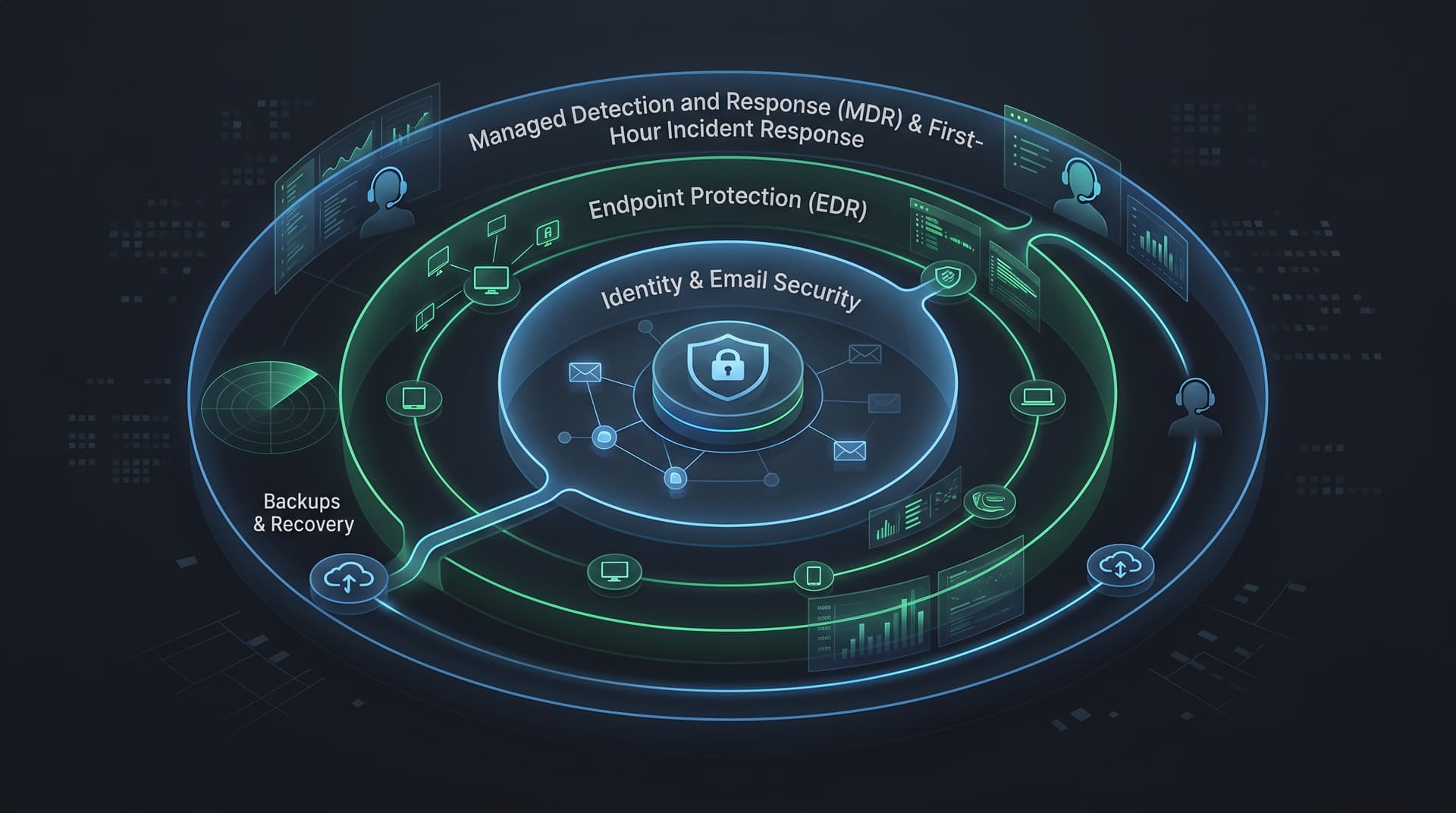
A resilient security posture assumes that perimeter defenses will eventually be tested. Layered defense ensures that if an attacker bypasses one control point, subsequent security layers prevent lateral movement and data exfiltration.
- Identity and Access Management: Enforce strict Multi-Factor Authentication (MFA), role-based access controls, and conditional access policies to protect core directory services and cloud apps.
- Email and Collaboration Security: Deploy advanced phishing filters, sandboxing, and automated threat isolation for incoming emails, messaging platforms, and document shares.
- Endpoint Detection and Response (EDR): Maintain continuous visibility across workstations, servers, and mobile devices to detect anomalous process executions and fileless malware.
- Immutable Backups: Secure air-gapped or write-once-read-many (WORM) backups to guarantee rapid recovery without paying ransomware demands.
- Human Response and Security Operations: Pair trained personnel with technical controls to evaluate anomalies, execute incident response playbooks, and adapt defenses continuously.
Standalone EDR vs. MDR: Knowing When to Upgrade
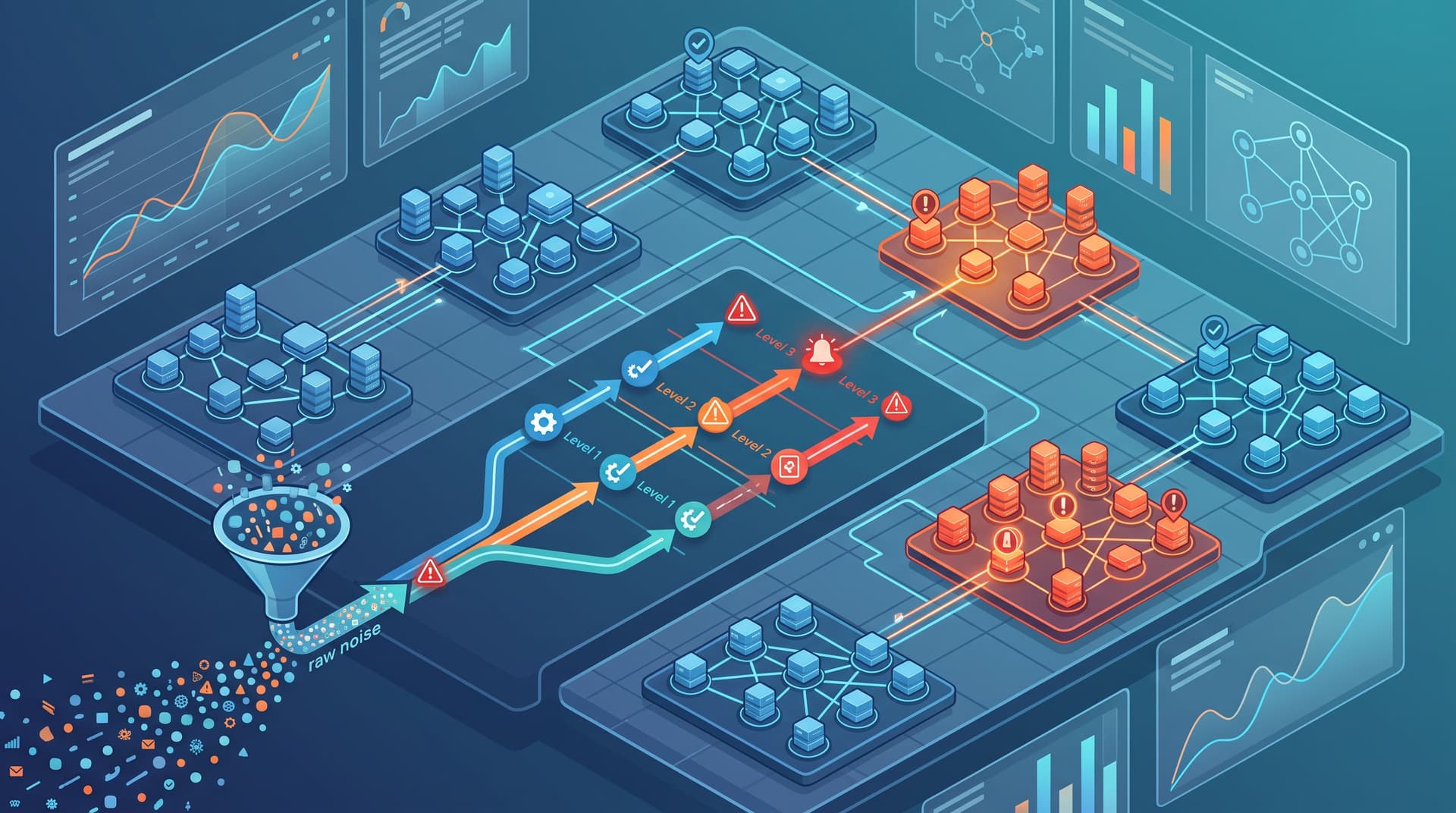
Many organizations deploy automated Endpoint Detection and Response (EDR) software expecting full coverage. However, EDR tools merely generate alerts—they do not investigate or remediate threats on their own.
When Standalone EDR Falls Short
- Alert Fatigue: In-house IT teams are flooded with high-volume alerts, leading to delayed response times during critical incidents.
- After-Hours Coverage Gaps: Cyberattacks frequently launch during weekends or off-hours when internal IT staff is offline.
- Analysis Expertise: Interpreting complex behavioral telemetry requires specialized security analysts that SMBs rarely maintain on staff.
Why Managed Detection and Response (MDR) Matters
MDR combines automated security telemetry with a 24/7 Security Operations Center (SOC). Analysts actively validate alerts, hunt for hidden threats, and execute hands-on remediation actions directly within your environment. Upgrading to MDR is worth the investment when internal teams lack round-the-clock monitoring or specialized threat-hunting expertise.
First-Hour Incident Response: Tactical Actions Without FUD
When a potential breach is detected, early containment prevents localized incidents from escalating into enterprise-wide outages. The first 60 minutes are critical:
- Isolate Compromised Endpoints: Network-isolate affected hosts immediately through your EDR/MDR platform to stop lateral spreading while maintaining telemetry connections.
- Revoke Identity Sessions: Terminate active user sessions, reset credentials, and temporarily disable compromised user accounts in your directory provider.
- Preserve Volatile Evidence: Capture system memory, network logs, and audit trails prior to restarting or wiping systems to support root-cause analysis.
- Execute Containment Playbooks: Notify designated security leads and initiate pre-approved operational workflows without panicking or taking premature actions.
Strengthen Your Security Posture Today
Evaluating security maturity requires an objective look at both technology layers and operational readiness. Bitscaled helps organizations establish comprehensive layered defenses and select the right MDR strategy tailored to their budget and compliance requirements.
Ready to eliminate security blind spots? Book a cybersecurity posture review with Bitscaled today.