Field-First Jobsite Connectivity: Managing BIM, MDM, and Rugged Networks
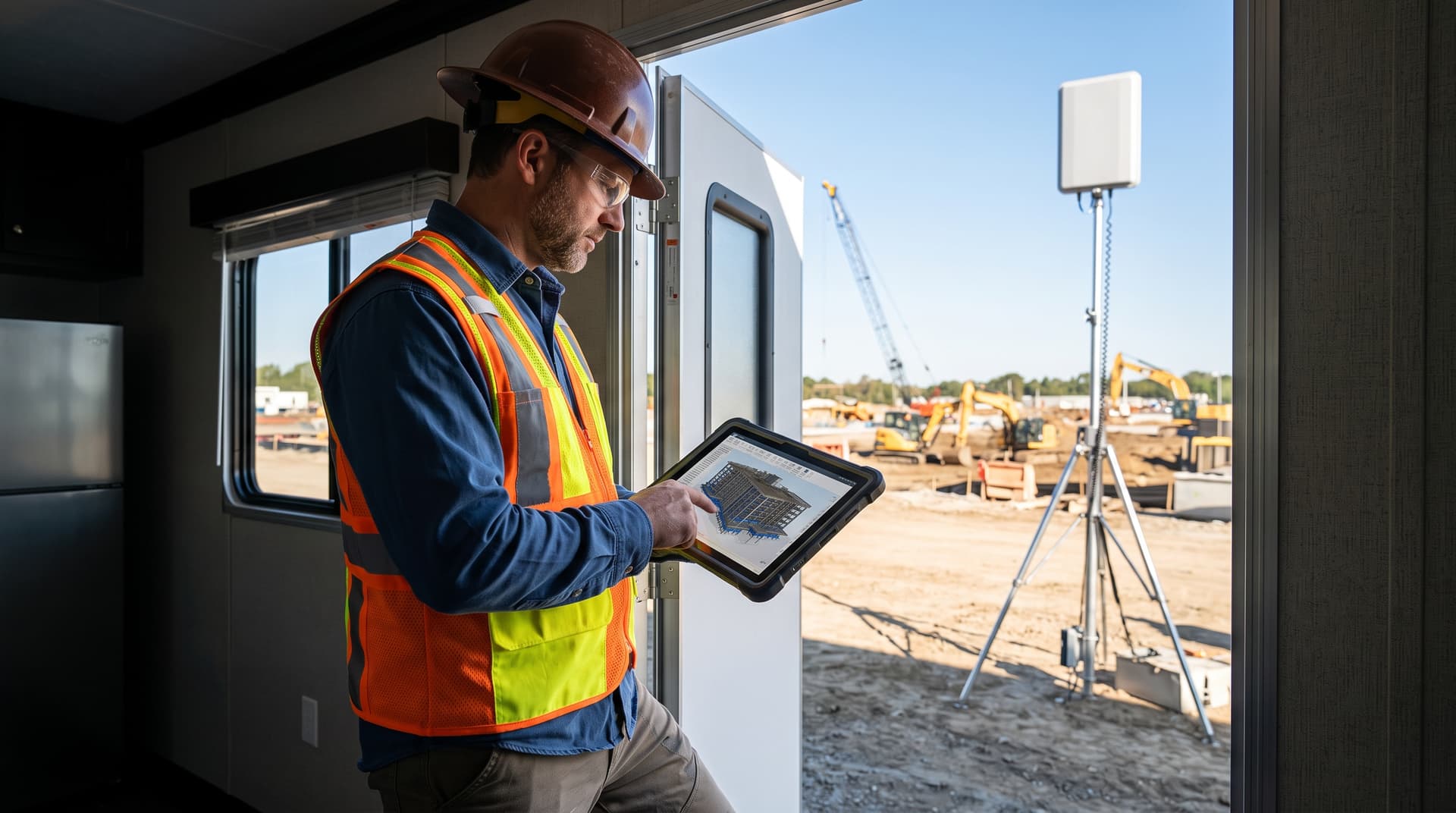
Commercial construction projects depend heavily on real-time data flow between the jobsite trailer, field crews, and corporate engineering teams. When jobsite connectivity fails or field devices lack proper management, project managers face delays, rework, and security vulnerabilities.
Building a resilient field IT setup requires addressing three core areas: reliable network infrastructure, secure mobile device management, and efficient BIM and SharePoint file synchronization.
1. Deploying Ruggedized Network Infrastructure
Temporary jobsite trailers and active build zones require connectivity solutions that go beyond consumer-grade cellular hotspots.
- Bonded Cellular & Satellite Failover: Combine multi-carrier 5G/LTE SIMs with low-Earth orbit satellite backup to eliminate single points of network failure.
- Rugged Wi-Fi Access Points: Utilize IP67-rated industrial access points designed to handle dust, moisture, extreme temperatures, and heavy vibration.
- Isolated Trailer Local Mesh: Maintain localized mesh networks so field workers can share local data even during intermittent WAN outages.
2. Enforcing Mobile Device Management (MDM) for Field Crews
Field technicians, subcontractors, and site inspectors use tablets and smartphones constantly. Enforcing zero-trust security without impeding field operations is critical.
- Automated Provisioning: Push pre-configured apps, certificates, and Wi-Fi profiles automatically when devices unbox.
- Containerized Work Apps: Keep corporate files, SharePoint access, and BIM viewers isolated from personal applications.
- Kiosk & Single-App Modes: Restrict dedicated jobsite tablets to required inspection tools to prevent unauthorized usage and bandwidth hogging.
3. Optimizing SharePoint and BIM Collaboration
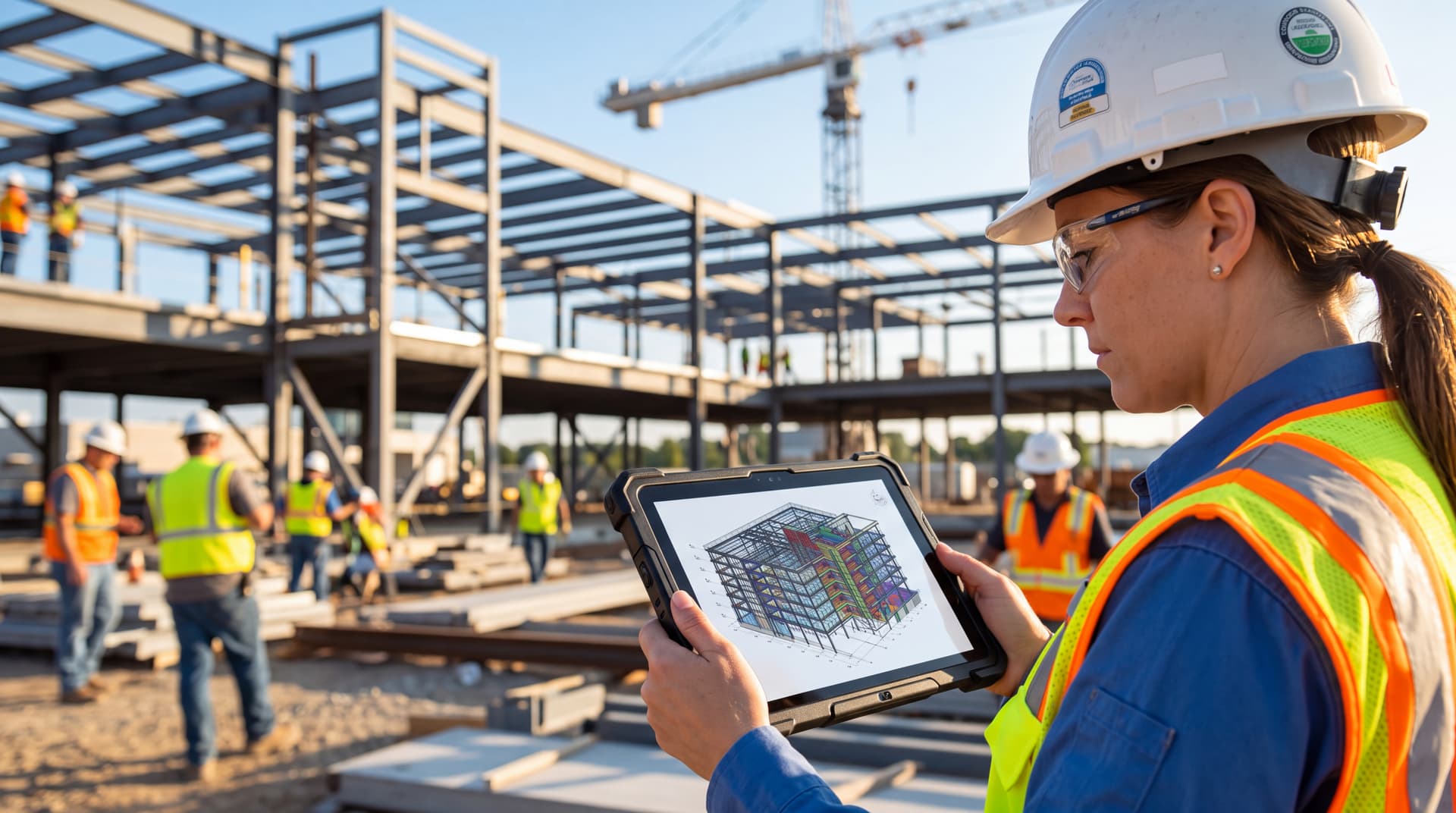
Large Autodesk Revit models and complex BIM file structures can crush jobsite bandwidth if synchronized improperly.
- Selective Sync Policies: Configure cloud storage clients to download only active sub-project files rather than entire project archives.
- Local Edge Caching: Deploy micro-servers in jobsite trailers to cache heavy BIM assemblies locally overnight.
- Differential Delta Syncing: Utilize tools that transmit only byte-level file changes instead of re-uploading gigabyte-sized files.
Conclusion: Secure and Scale Your Jobsite Infrastructure
When construction IT is engineered for the reality of field operations, field crews work faster, rework drops, and project data stays secure.
Standardize jobsite connectivity with Bitscaled. Reach out today to evaluate your field infrastructure and streamline BIM collaboration across every active site.