Architecting Industrial Resilience: Aligning Enterprise ERP with Plant Floor OT Networks
Modern manufacturing environments depend on rapid data flow between enterprise resource planning (ERP) systems and plant floor operational technology (OT). When ERP platforms handle bill-of-materials tracking, order scheduling, and inventory management smoothly, production lines run efficiently. However, tight integration introduces operational risks if the boundaries between IT networks and plant control systems remain blurred.
Unplanned outages, misconfigured patch schedules, or compromised supplier connections can immediately halt production lines. The cost of plant downtime extends far beyond lost hourly output—it triggers contractual delivery penalties, wasted raw materials, idle shift labor, and delayed revenue recognition. Establishing a resilient, highly available manufacturing IT architecture is critical for preserving plant uptime.
1. Ensuring High ERP Availability for Continuous Production
Plant managers rely on real-time ERP data to drive work-in-progress (WIP) tracking, component staging, and finished goods logging. If the primary ERP database experiences latency or an unexpected outage, manufacturing operations risk grinding to a halt.
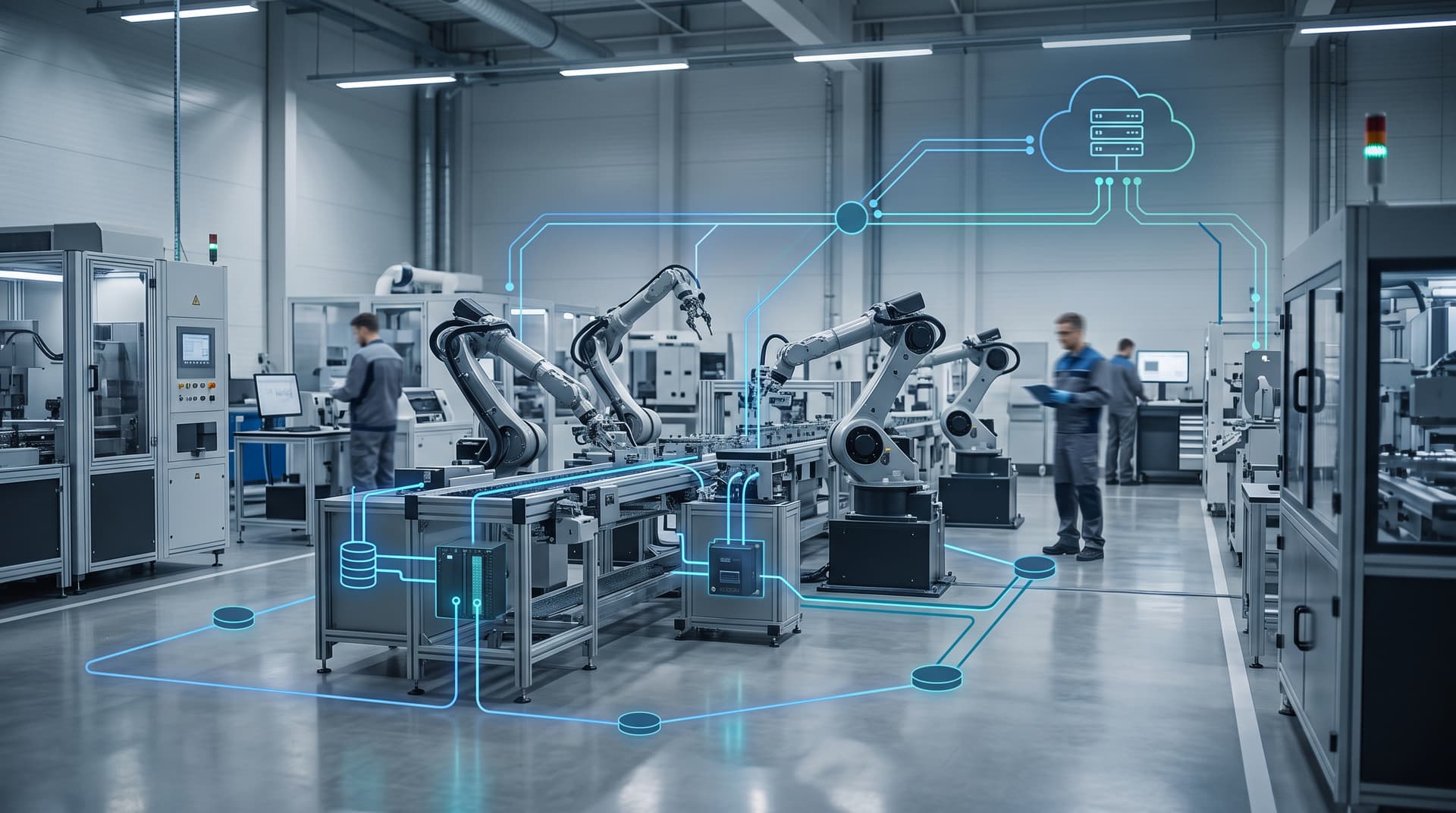
- Edge Buffering: Deploy localized edge gateways capable of caching production transactions during transient ERP offline states.
- High-Availability Architecture: Utilize multi-region database replication and active-passive failover mechanisms designed for mission-critical manufacturing workloads.
- Data Minimization at the Edge: Limit direct database queries from programmable logic controllers (PLCs) by employing structured message queues.
2. Enforcing Strict OT/IT Network Segmentation
Enterprise IT systems are regularly exposed to Internet-facing threats, phishing vectors, and corporate software updates. Allowing unfiltered network access between administrative IT and OT control networks invites catastrophic cross-contamination.
- Purdue Model Alignment: Segment networks into distinct zones using industrial firewalls, enforcing zero-trust access control between Level 3 operations management and Level 2 control systems.
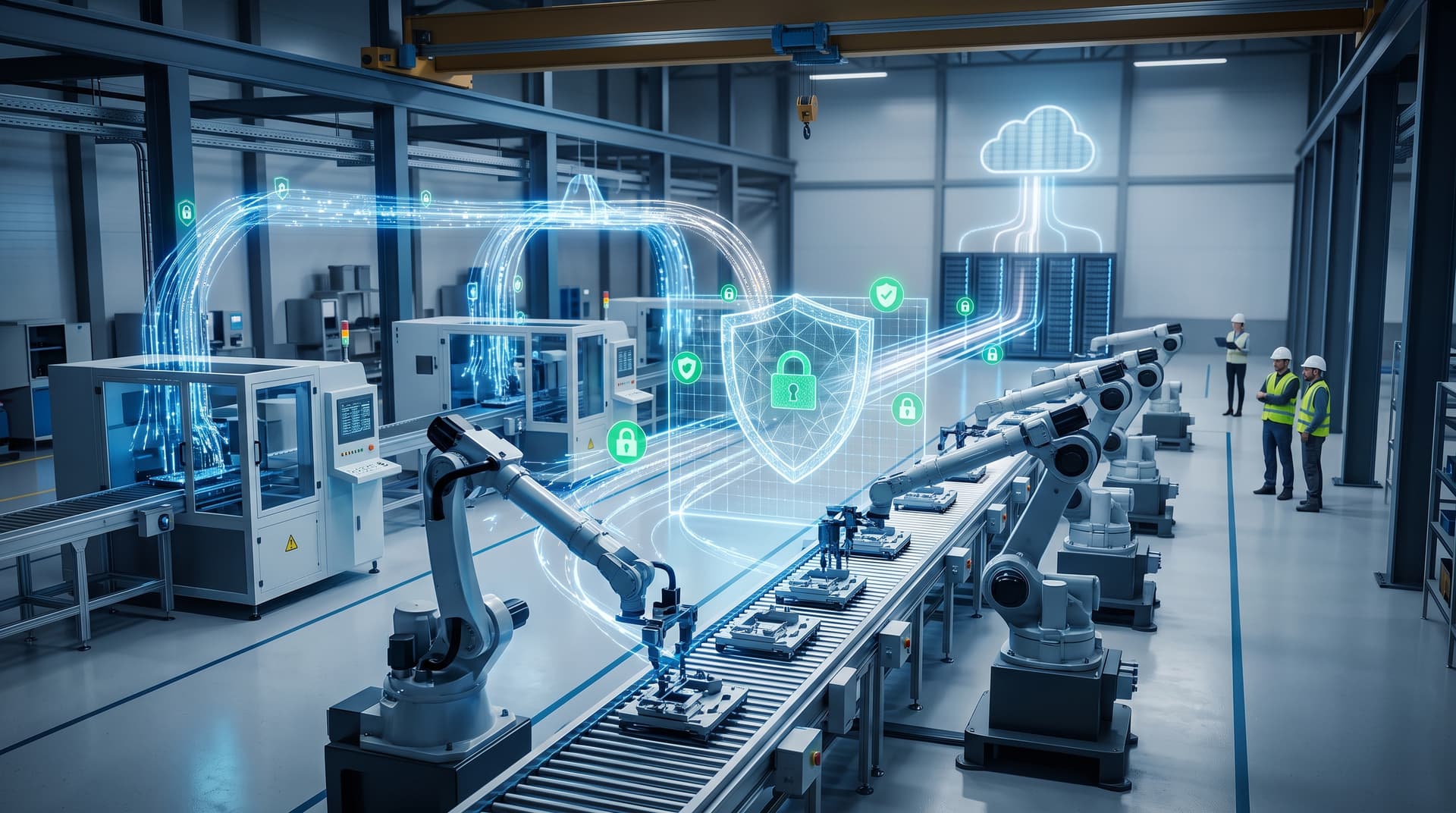
- Industrial DMZ (IDMZ): Route all data exchanges between ERP and SCADA systems through an intermediate DMZ utilizing proxy services and jump hosts.
- Micro-segmentation: Isolate critical cells and automated work units so that a compromise in one department cannot propagate across the entire facility.
3. Coordinating Patch Windows Around Production Schedules
Applying software updates and security patches to enterprise systems is non-negotiable for vulnerability management. However, rebooting a server during active shift operations can cause line faults or corrupted batch records.
- Synchronized Maintenance Windows: Align IT patch schedules directly with planned maintenance shifts and changeover windows.
- Staging and Simulation: Test all operating system and ERP patches in a mirrored staging environment before applying changes to production-facing nodes.
- Rollback Readiness: Establish verified image-based backups and documented rollback procedures before executing any patch cycle.
4. Securing Supplier Portals and Vendor Remote Access
External vendors and supply chain partners frequently require access to ERP portals for inventory coordination, equipment vendors need remote diagnostics for machinery maintenance. These third-party access points represent significant security vulnerabilities if unmonitored.
- Granular Least-Privilege Access: Limit third-party access to specific applications or subnets rather than granting broad network connectivity.
- Mandatory Multi-Factor Authentication (MFA): Enforce robust MFA and session recording for all vendor remote management connections.
- Isolated Supplier Portals: Host external-facing vendor portals in a secured cloud environment separated from internal OT management networks.
Building a Future-Proof Manufacturing Environment
Achieving harmony between enterprise IT agility and plant floor stability requires deliberate architecture, continuous monitoring, and structured governance. By securing OT/IT boundaries and orchestrating maintenance around production goals, manufacturers protect both their data and their throughput.
Stabilize production systems with Bitscaled manufacturing IT programs.