Maintaining Clinical Continuity in Modern Healthcare Environments
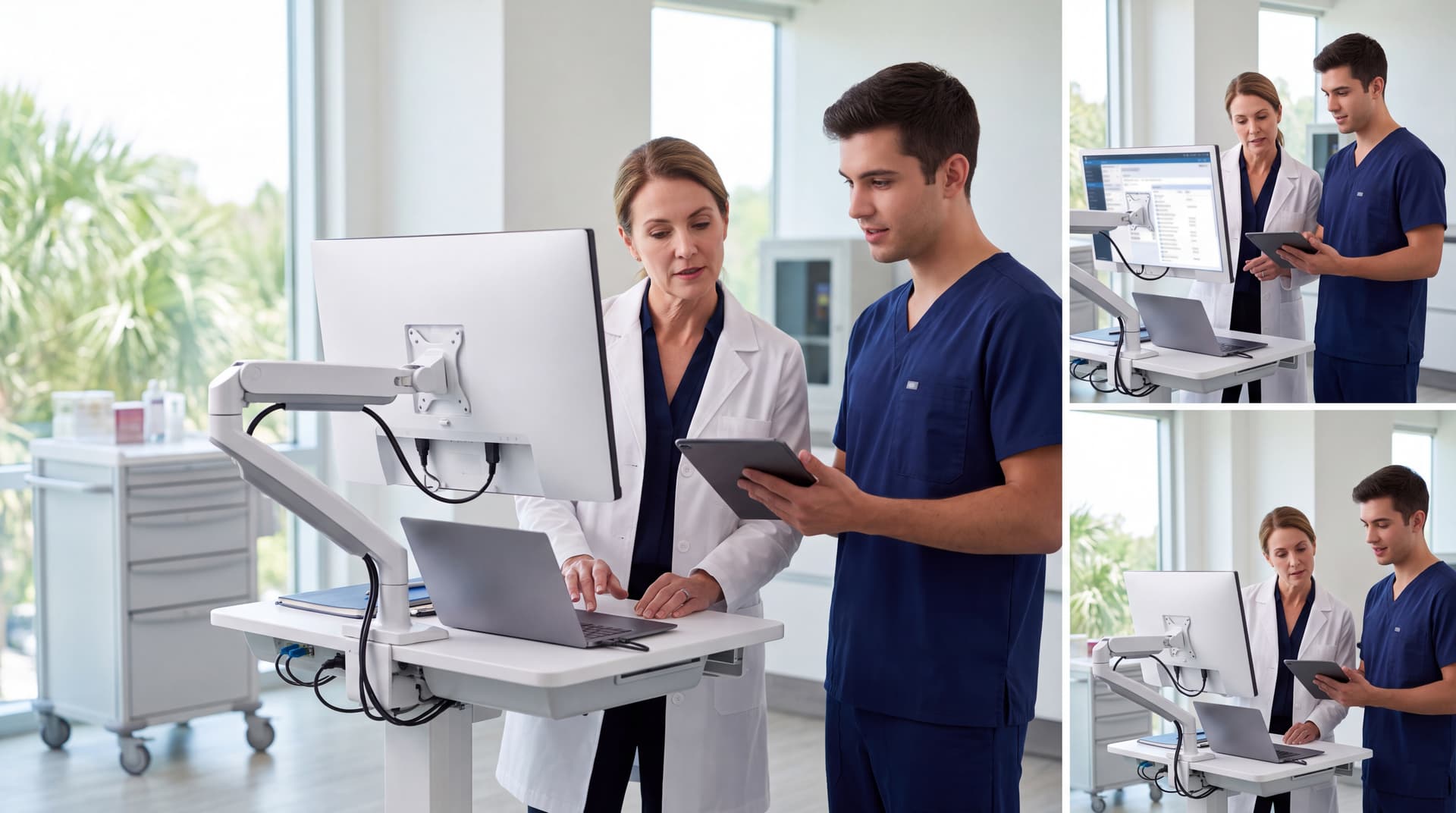
In fast-paced clinical environments across Florida, from outpatient clinics in Tampa Bay to regional health systems, maintaining electronic health record (EHR) availability while adhering to strict privacy guidelines is a delicate balance. Patient care depends on immediate, secure access to protected health information (PHI), making IT friction or system downtime a direct threat to clinical operations.
Achieving HIPAA-aware IT operations requires moving beyond static policy documentation toward dynamic, infrastructure-level safeguards that protect patient data without hindering patient care.
1. Ensuring EHR Uptime and Regional Resilience
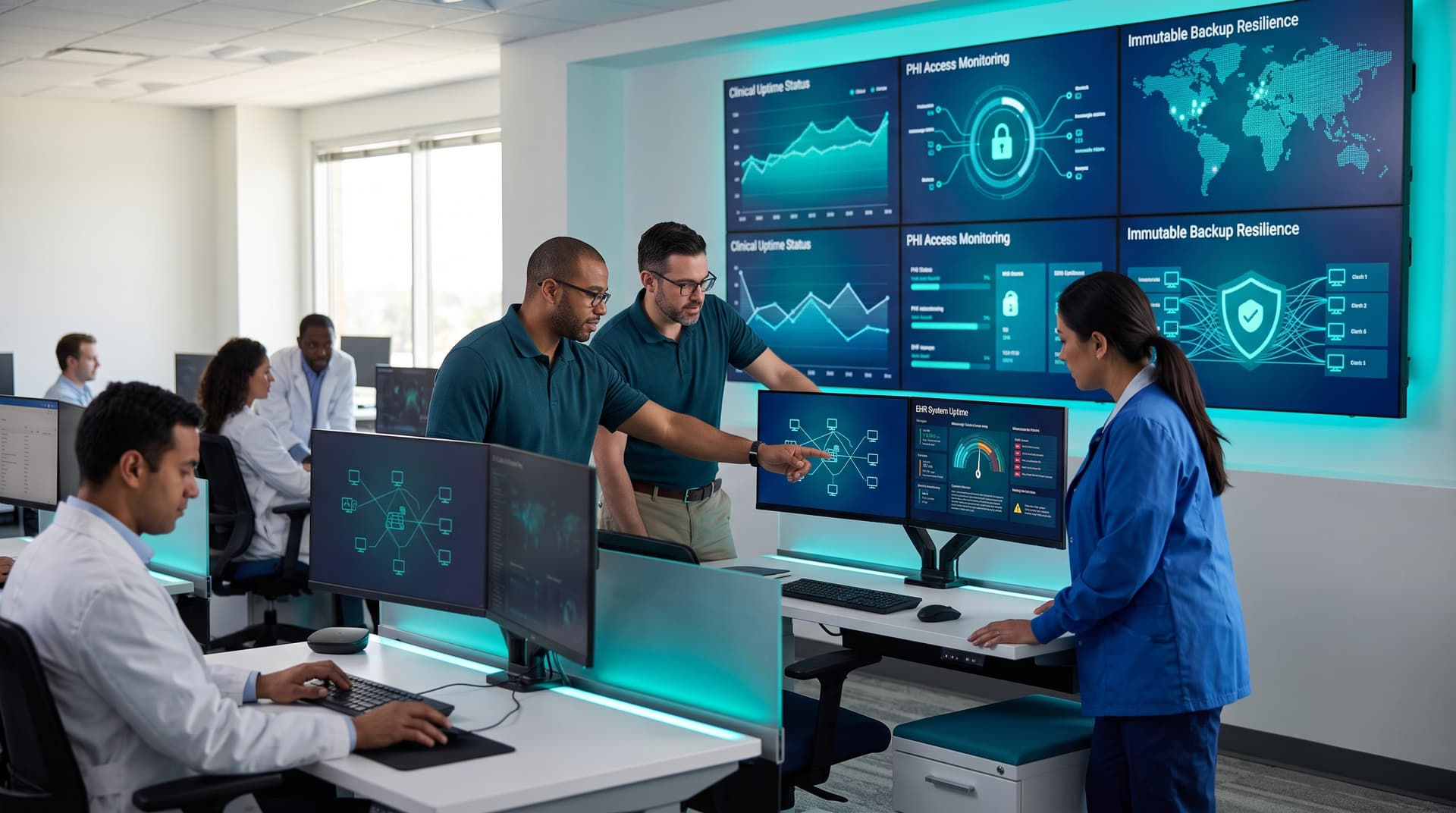
EHR downtime stalls patient intake, delays care delivery, and forces clinical teams back onto paper workflows. In regions susceptible to severe weather disruptions—such as Tampa Bay's summer storm seasons—high availability demands local redundancy and multi-site failover capabilities.
- High-Availability Architecture: Utilize multi-region cloud hosting or hybridized infrastructure to prevent single points of system failure.
- Automated Redundancy: Ensure backup ISP and network connections instantly engage if primary fiber links drop.
- Standardized Outage Protocols: Pair technical infrastructure with clear operational procedures so clinical staff know exactly how to operate during unexpected system maintenance.
2. Granular Access Controls and Immutable Backups
Protecting PHI requires strict enforcement of the principle of least privilege. Caregivers should access only the patient charts and clinical modules necessary for their specific roles.
- Role-Based Access Control (RBAC): Restrict record access by role, enforcing multi-factor authentication (MFA) across all endpoints and remote access portals.
- Immutable Data Backups: Cyber threats targeting healthcare organizations frequently aim to encrypt or alter online backup repositories. Implementing air-gapped or write-once-read-many (WORM) storage ensures that even if network access is compromised, reliable recovery points remain untouched.
3. Vendor Management and Business Associate Agreements (BAAs)
Modern healthcare facilities rely on an ecosystem of third-party platforms, from telehealth applications to digital billing services. Every vendor handling PHI must execute a Business Associate Agreement (BAA) and adhere to verifiable security standards.
Effective vendor risk management includes continuous auditing of third-party access pathways, rapid deprovisioning of dormant service accounts, and verified encryption standards for data at rest and in transit.
4. Mitigating Clinical Phishing Risks
Medical staff operate under high-stress, time-sensitive conditions, making them frequent targets for social engineering schemes. A single malicious link disguised as an urgent lab notification can expose sensitive network segments.
- Tailored Training: Conduct brief, realistic security simulations geared toward healthcare scenarios.
- In-Line Safeguards: Deploy email security filters that flag external senders and inspect attachments in real time.
- Low-Friction Reporting: Provide staff with simple, single-click mechanisms to report suspicious communications without interrupting patient care.
Elevate Your Practice's Security Posture
Balancing HIPAA compliance expectations with high operational uptime requires technical strategy tailored specifically to medical workflows.
Ready to evaluate your organization's technical resilience? Request a HIPAA-aligned IT assessment from Bitscaled to strengthen your clinical operations today.