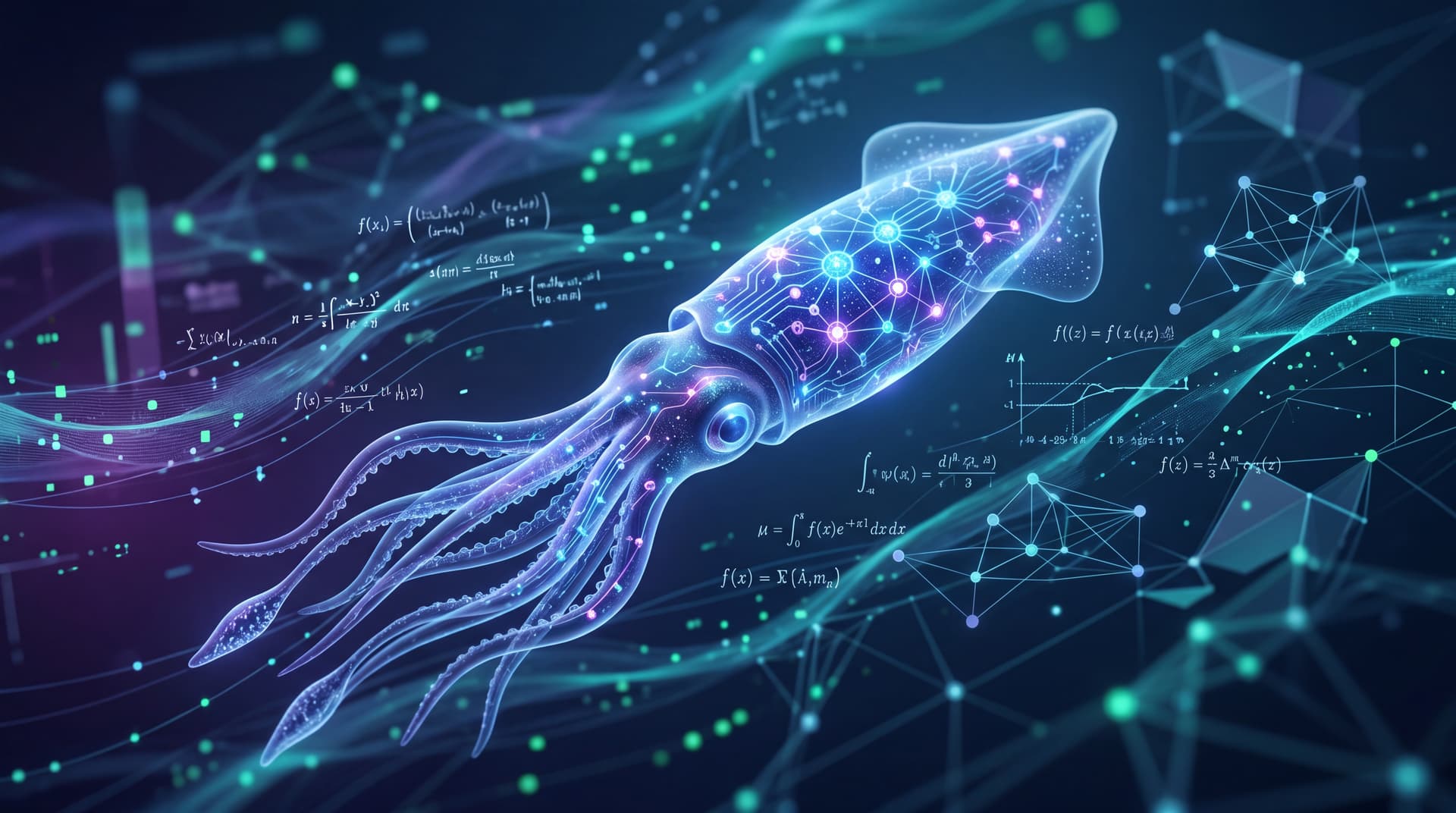
Exploring the Virtual Realm: Advanced Squid Simulation in Neural Networks
The digital simulation of biological entities has been an area of burgeoning research, combining the fields of artificial intelligence, neurobiology, and computational modeling. Among these simulations, the neural network-based digital squid simulation stands out as a particularly intriguing project. This simulation, often referred to as a "pet squid," not only provides an engaging way to explore neural network capabilities but also offers insights into the autonomous behavior of biological creatures.
The Genesis of Digital Squid Simulation
The development of a digital squid simulation, such as the one available on platforms like Hackaday, represents a significant leap in how we understand and replicate animal behavior using technology. This project is hosted on GitHub under the name Dosidicus and serves as a testament to how far artificial intelligence and machine learning have come in replicating the intricacies of animal behavior.
Why Squids?
Cephalopods, particularly squids, are known for their complex nervous systems and sophisticated behaviors, making them ideal candidates for such simulations. Squids exhibit behaviors ranging from camouflage to problem-solving, all underpinned by their neural architecture. By simulating a squid, researchers can delve into the decision-making processes and potentially uncover parallels to human neural processing.
Core Features of the Neural Network Simulation
The squid simulation is grounded in neural networks, enabling it to mimic various aspects of a squid's life. Below are some of the core features and functions of this simulation.
Autonomous Movement and Decision-Making
One of the most compelling aspects of this digital squid is its ability to move autonomously. The simulation takes into account various internal states such as hunger, fatigue, and alertness, allowing the digital squid to make decisions that reflect these states. This autonomy is crucial for a realistic simulation and provides an opportunity to observe how different stimuli affect decision-making.
Vision Cone for Food Detection
In the wild, squids rely heavily on their vision to hunt and gather food. The simulation replicates this through a vision cone model, which allows the digital squid to detect food within a specific range and field of view. This feature is particularly interesting as it requires the neural network to process visual data and make foraging decisions based on that input.
Decision-Making and Learning
The simulation employs a complex neural network capable of forming associations and making decisions. This is achieved through a combination of pre-set and dynamic neural pathways. The squid's decision-making processes are influenced by both short-term and long-term memories, allowing it to adapt to new situations based on past experiences. This learning aspect is facilitated by a Hebbian learning algorithm—an unsupervised learning mechanism that adjusts the weights of connections between neurons based on the correlation of activity.
Neurogenesis in Digital Squids
A fascinating aspect of this simulation is the inclusion of neurogenesis, the process by which new neurons are formed. The digital squid can "grow" new neurons in response to environmental stimuli, mimicking a biological process that is critical for learning and adaptation in many living organisms. This feature adds a layer of realism and complexity to the simulation, offering a deeper understanding of how living creatures adapt to their environments.
Technical Implications and Industry Context
The implications of this simulation extend beyond entertainment and education. In the field of artificial intelligence, such simulations offer valuable insights into neural network training and development. By observing and analyzing the digital squid's behavior, researchers can draw parallels to other AI applications, potentially improving the efficiency and capability of neural networks in various industries.
Impact on AI Research
The digital squid simulation offers a sandbox environment for testing neural network theories. Researchers can manipulate variables and observe outcomes, providing a practical framework for understanding neural network behavior. Such simulations can lead to advancements in AI, particularly in autonomous decision-making and adaptive learning.
Educational and Entertainment Applications
Beyond research, the digital squid simulation holds significant potential in education and entertainment. It provides a hands-on learning tool for students and enthusiasts interested in neurobiology, AI, and computational modeling. Additionally, the interactive nature of the simulation makes it an engaging form of entertainment, offering users a glimpse into the complex behaviors of one of nature’s most intriguing creatures.
Conclusion: The Future of Digital Life
The digital squid simulation is a remarkable achievement, showcasing the intersection of technology and biology. It highlights the potential of neural networks to replicate and even enhance our understanding of natural behaviors. As research in this field continues, we can expect further advancements in how simulations are used both for practical applications and as tools for discovery. The journey of understanding our world through the lens of technology is just beginning, and the digital squid is a captivating step in that direction.
In essence, the digital squid simulation is more than just an imitation of life; it is a bridge to understanding the complexities of neural networks and their potential applications across various domains.