Minimizing Downtime: A Practical Guide to BCDR for Modern SMBs
In today's fast-paced digital landscape, downtime is more than just an IT inconvenience—it is a critical business risk that can halt operations, damage reputations, and lead to significant financial loss. For small to medium-sized businesses (SMBs) in healthcare, manufacturing, and professional services, having a robust Business Continuity and Disaster Recovery (BCDR) plan is no longer optional. It is a fundamental requirement for survival and growth.
Prioritizing Cloud Backups and Ransomware Recovery
A resilient BCDR strategy begins with reliable, secure data backups. Traditional on-premises backups are increasingly vulnerable to sophisticated cyber threats. Modern SMBs must adopt a hybrid or cloud-first backup strategy, ensuring data is stored off-site and in immutable formats. Immutability guarantees that once data is written, it cannot be altered or deleted by ransomware or malicious actors. Regular testing of these backups is equally crucial to ensure that, in the event of an attack, systems can be restored to a clean state rapidly, minimizing data loss and operational disruption.
Failover Planning and Emergency Response Procedures
Having backups is only half the battle; knowing how to restore operations quickly is the other. Effective failover planning involves establishing clear Recovery Time Objectives (RTOs) and Recovery Point Objectives (RPOs) for all critical systems. SMBs should implement automated failover solutions that can seamlessly shift workloads to a secondary cloud environment if primary servers fail. Furthermore, a well-documented emergency response procedure ensures that every team member knows their role during a crisis, from IT staff executing the technical recovery to leadership managing internal and external communications.
The Role of Zero Trust and Azure M365 in BCDR
Business continuity is deeply intertwined with proactive cybersecurity. Implementing a Zero Trust architecture—where no user or device is trusted by default—drastically reduces the blast radius of a potential breach. Microsoft Azure and M365 security frameworks are instrumental in this approach. By leveraging features like Conditional Access, Multi-Factor Authentication (MFA), and Microsoft Defender, organizations can prevent unauthorized access and isolate threats before they compromise the entire network. Azure's built-in redundancy and automated backup capabilities further ensure that collaboration tools and critical communications remain available, even during a localized disaster.
Industry-Specific Resilience
Different industries face unique BCDR challenges:
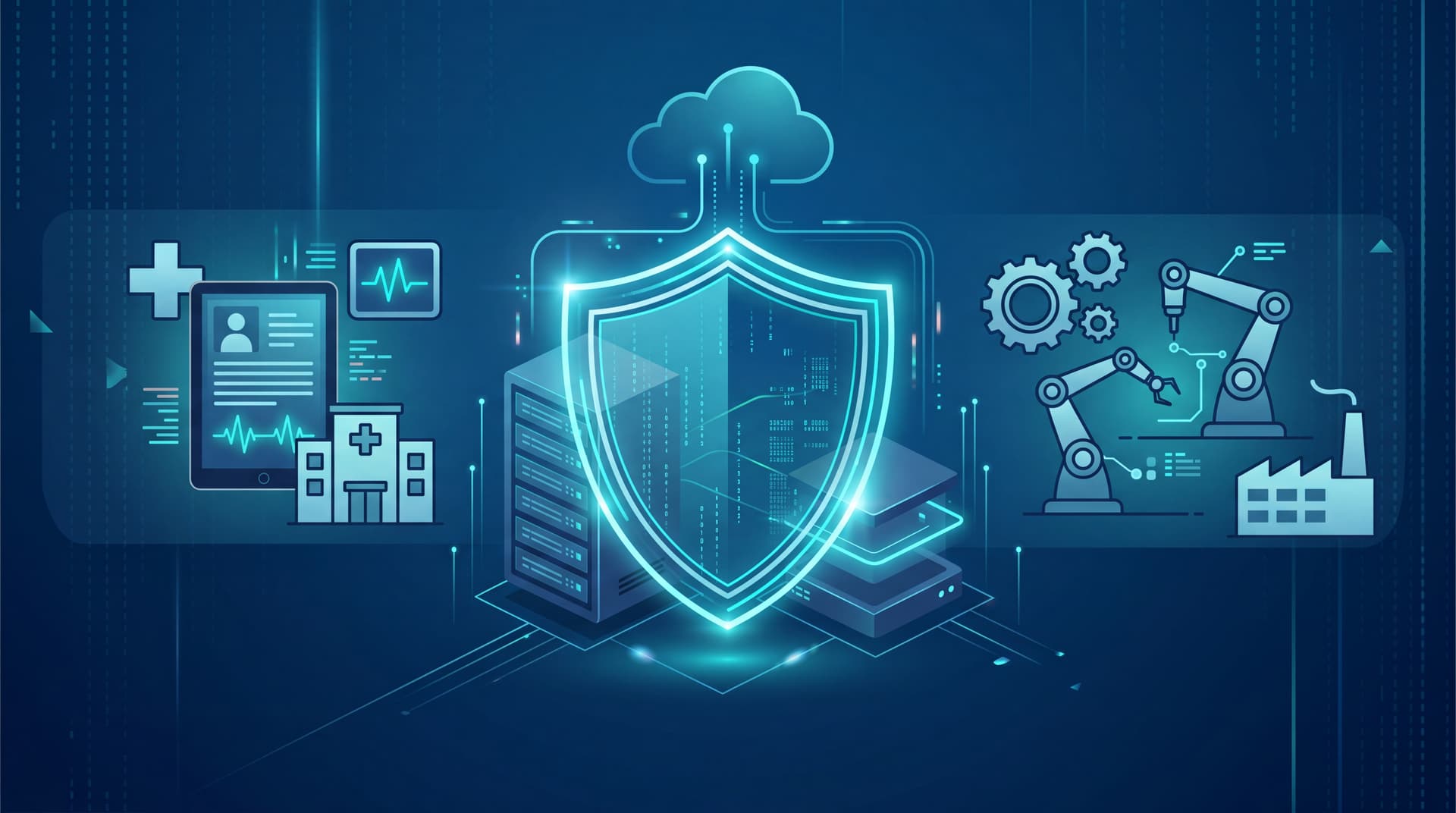
- Healthcare: Uninterrupted access to Electronic Health Records (EHR) is a matter of patient safety. BCDR plans must prioritize strict HIPAA compliance, ensuring data remains secure and accessible during any disruption.
- Manufacturing: Supply chain logistics and Industrial Internet of Things (IIoT) devices demand high availability. Failover strategies must account for production line technology to prevent costly manufacturing halts.
- Professional Services: Client trust relies heavily on data confidentiality and availability. Secure cloud collaboration and rapid recovery protocols are essential to maintain service delivery and protect sensitive client information.
Conclusion
Building a resilient organization requires a proactive approach to business continuity and disaster recovery. By integrating modern cloud backup solutions, comprehensive failover plans, and robust security frameworks like Zero Trust and Azure M365, SMBs can protect their operations against unforeseen disruptions.
Ensure your business is prepared for any eventuality. Book a discovery call with Bitscaled today to develop a customized BCDR strategy that keeps your operations running smoothly.