Architecting Governed AI Workflows: Data Security and MSP Guardrails
Organizations recognize the transformative potential of AI automation, yet IT leaders face a growing dilemma: how to capture productivity gains without opening the floodgates to shadow IT, data leakage, and compliance violations.
Governed AI adoption bridges this gap. By embedding structural guardrails directly into workflow integrations, managed service providers (MSPs) and enterprise IT teams can safely deploy intelligent automation.
The Four Pillars of Governed AI Adoption
Before deploying LLMs or AI agents into core operations, organizations must establish four key governance mechanisms:
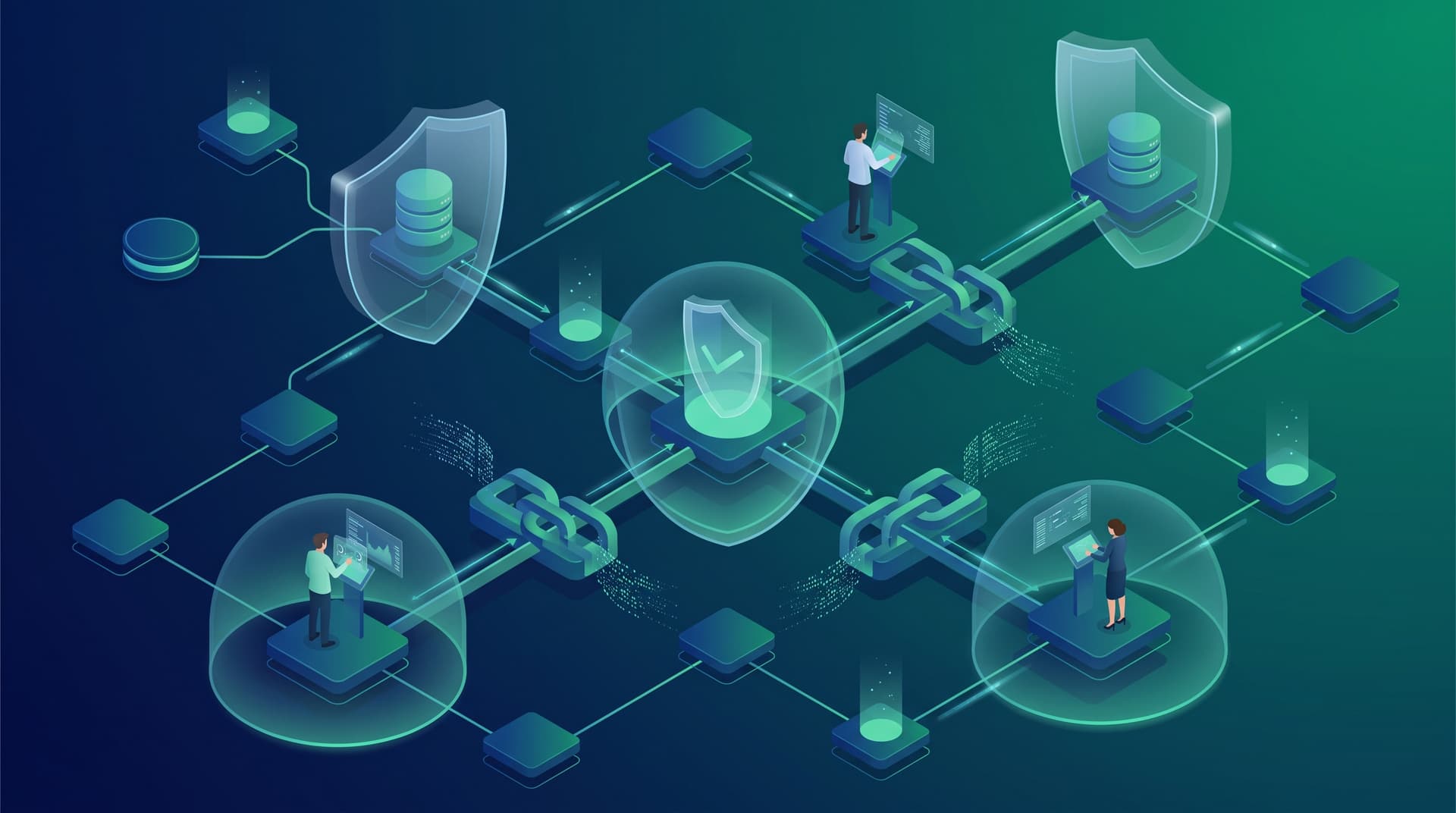
- Data Boundaries & Zero Retention: Ensure prompts and contextual payloads sent to external models are stripped of sensitive PII/PHI and subject to zero-data-retention (ZDR) enterprise agreements.
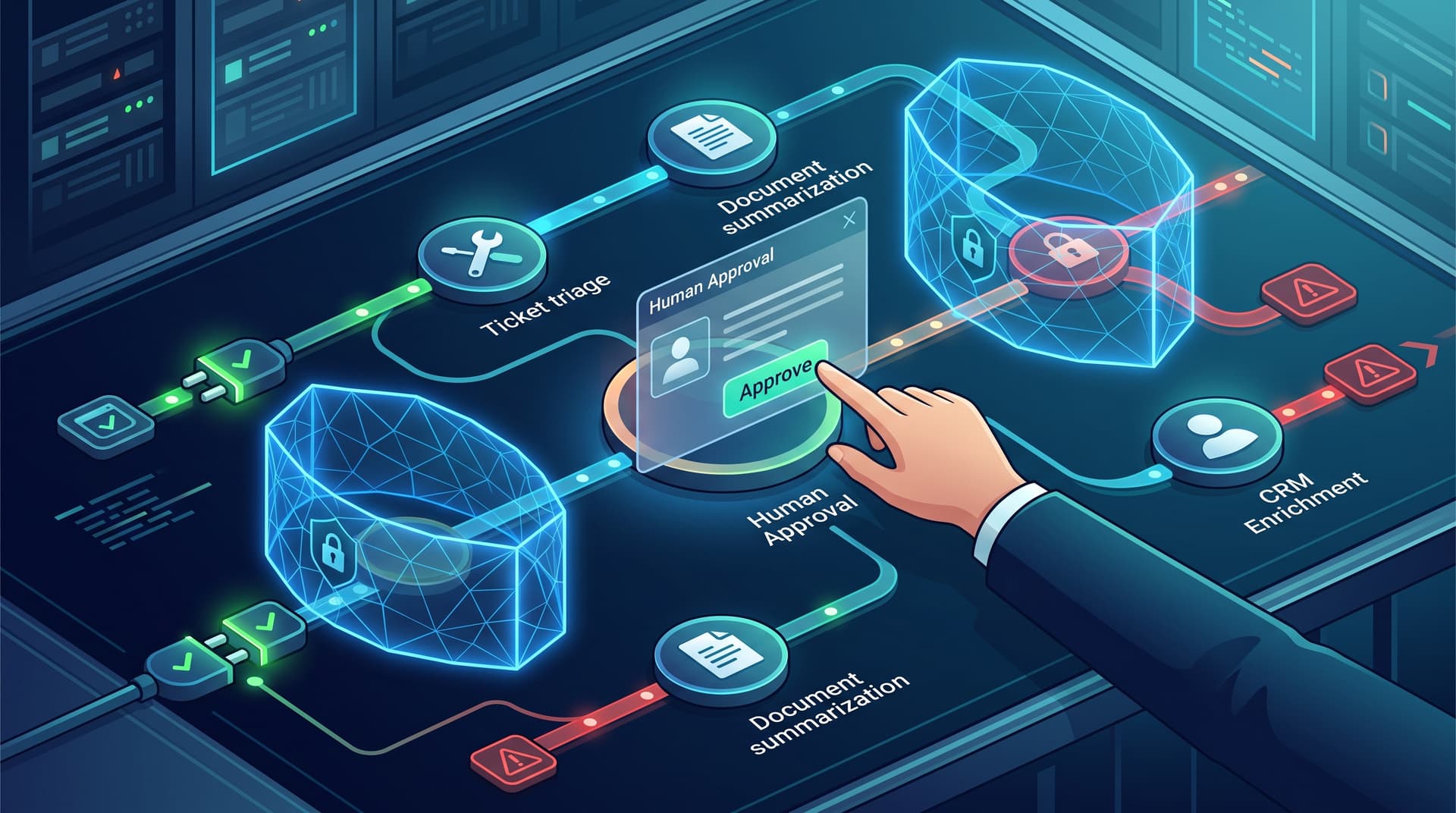
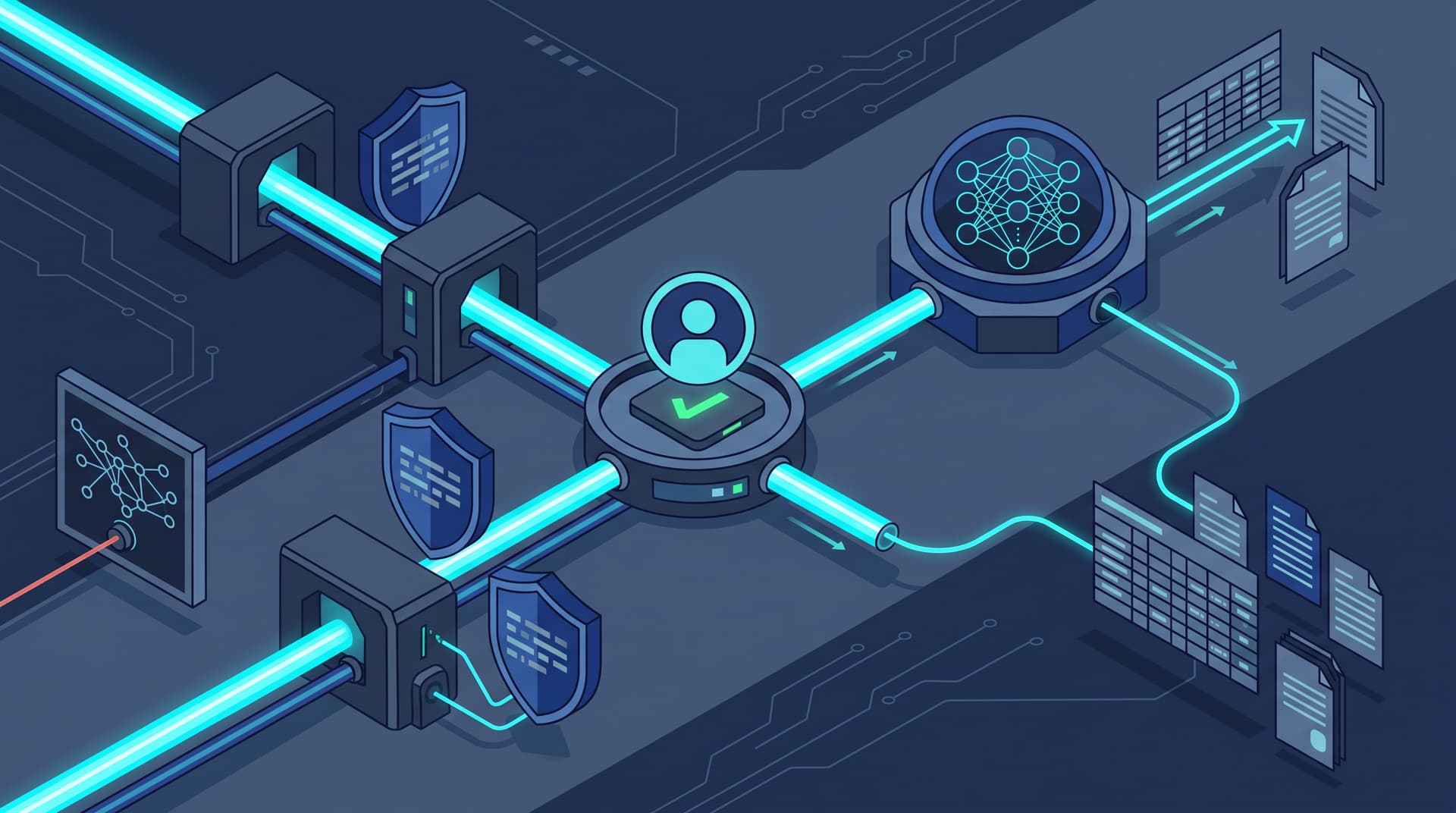
- Human-in-the-Loop (HITL) Approval Flows: High-impact actions—such as modifying production databases or dispatching external client communications—must pause for human sign-off.
- Granular Audit Logging: Track every prompt, contextual input, model response, and resulting API call in a centralized SIEM or compliance log.
- Secure Connector Frameworks: Restrict AI connectors to scoped OAuth permissions using least-privilege principles, avoiding global admin keys.
3 Practical MSP Use Cases and Their Risk Profiles
1. Automated Ticket Triage
- The Workflow: AI analyzes incoming service desk tickets, categorizes the issue, determines urgency, and drafts an initial response or routes it to specialized queues.
- The Risk: Misclassification can lead to missed SLA windows on critical outages. Unfiltered ticket inputs might also leak end-user credentials into LLM contexts.
- The Guardrail: Implement automated regex sanitization for credentials before LLM ingestion and route high-urgency determinations through a tier-1 technician verification step.
2. High-Volume Document Summarization
- The Workflow: Processing long-form client contracts, vendor SOWs, or technical audit reports into structured executive summaries.
- The Risk: Model hallucination can omit vital compliance clauses or misstate financial terms, creating legal liability.
- The Guardrail: Require source-attribution linking where the model must cite exact page numbers and quotes for key summary claims.
3. CRM Data Enrichment
- The Workflow: Extracting company updates, tech stack changes, or executive hiring announcements from unstructured sources to enrich CRM contact profiles.
- The Risk: Overwriting accurate, validated customer records with hallucinated or outdated public web data.
- The Guardrail: Apply staging tables where enriched data sits in a "proposed" state until account managers or automated validation rules accept the changes.
Operationalizing Safe AI Workflows
Transitioning from unmonitored AI usage to governed workflow automation requires a structured approach. By standardizing connectors, enforcing approval gates, and logging all executions, enterprises can innovate with confidence.
Talk to Bitscaled about AI workflow pilots with guardrails and measurable ROI.