Why SMBs Need Enterprise-Grade Resilience
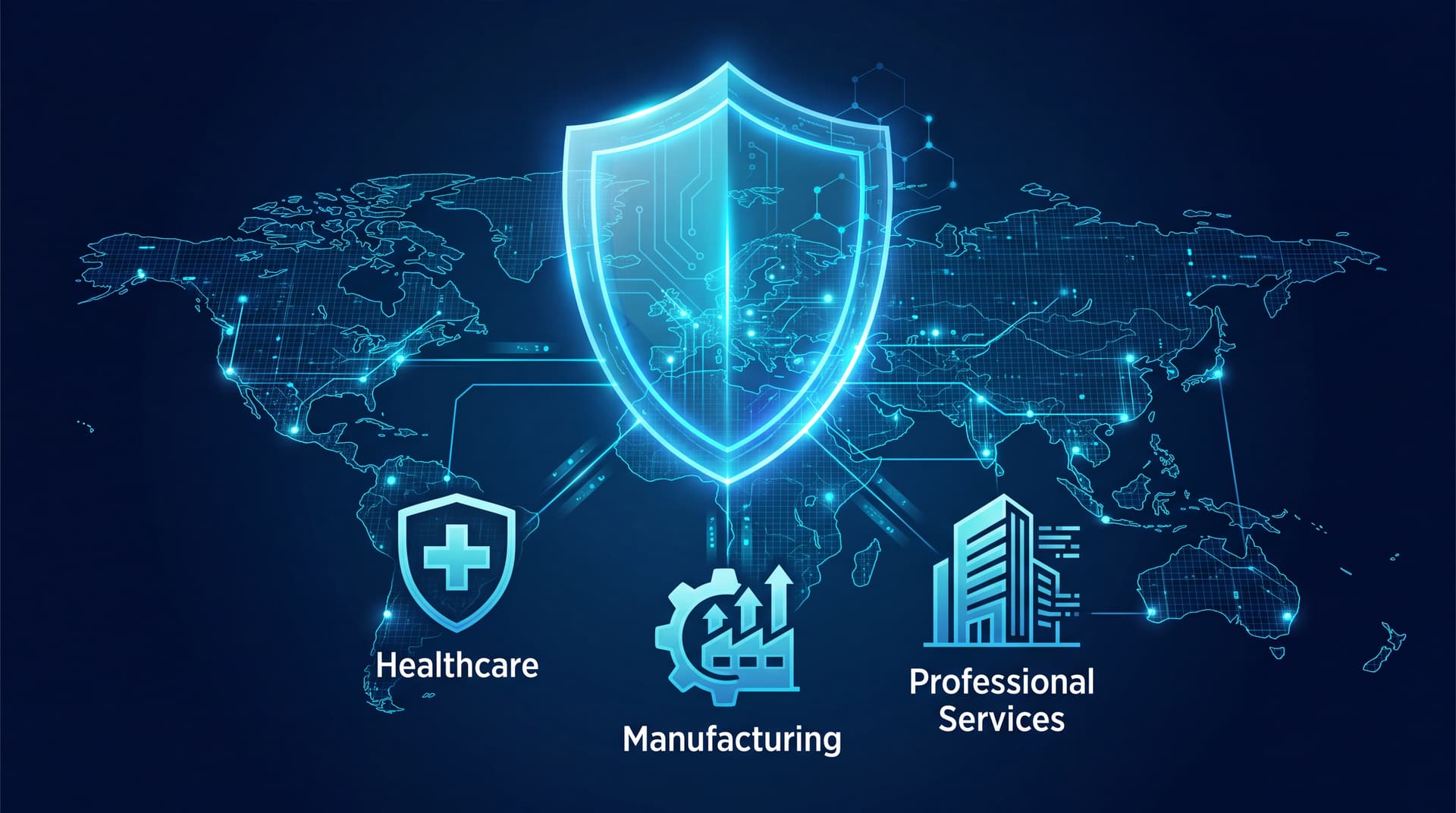
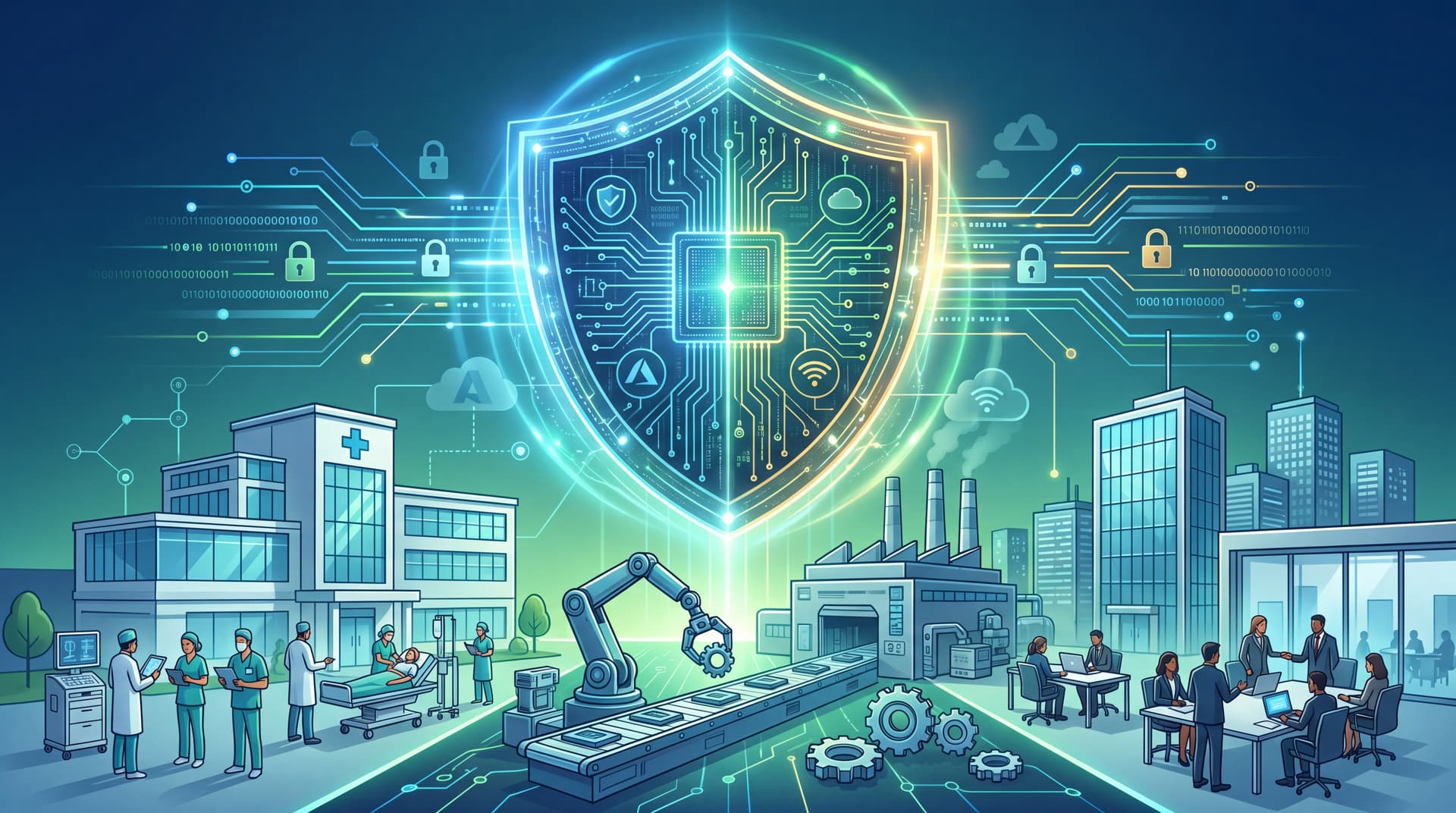
For small and medium-sized businesses (SMBs) in healthcare, manufacturing, and professional services, downtime is not just an inconvenience—it is a critical threat to operations, compliance, and revenue. Business Continuity and Disaster Recovery (BCDR) planning ensures that when disruptions occur, whether from cyberattacks or natural disasters, your organization can maintain essential functions and recover data rapidly.
Tailoring BCDR for Critical Industries
Different sectors face unique operational risks. Healthcare providers must maintain HIPAA compliance and continuous patient care. Manufacturing facilities require operational technology (OT) uptime to prevent costly supply chain halts. Professional services need secure, uninterrupted access to client data. A standardized approach is insufficient; SMBs must adopt tailored failover planning and emergency response procedures that align with their specific recovery time objectives (RTO) and recovery point objectives (RPO).
Essential Backup and Ransomware Recovery Strategies
Modern ransomware does not just encrypt primary data; it actively targets local backups. To defend against this, businesses must implement immutable cloud backup strategies. By maintaining off-site, air-gapped copies of critical data, organizations guarantee that a clean restoration point is always available. Furthermore, frequent testing of these ransomware recovery protocols is vital. A backup is only as good as your proven ability to restore it under pressure.
Zero Trust and Azure M365: The Foundation of Resilience
Effective BCDR integrates seamlessly with your security architecture. Adopting a Zero Trust framework ensures that a breach in one area does not compromise the entire network, limiting the blast radius of any disaster. When combined with the robust security features of Azure and Microsoft 365, SMBs gain built-in resilience. Azure M365 provides continuous data replication, conditional access policies, and automated threat response, meaning your business continuity plan is actively supported by enterprise-level cloud security.
Conclusion and Next Steps
Building a resilient IT infrastructure is an ongoing process that requires strategic planning, regular testing, and the right technology partnerships. Do not wait for a disaster to test your recovery capabilities. Protect your operations, secure your data, and ensure your business can weather any storm. Book a discovery call with Bitscaled today to evaluate your current BCDR strategy and build a customized resilience plan for your organization.