Unlocking SMB Efficiency: High-Impact AI Workflows
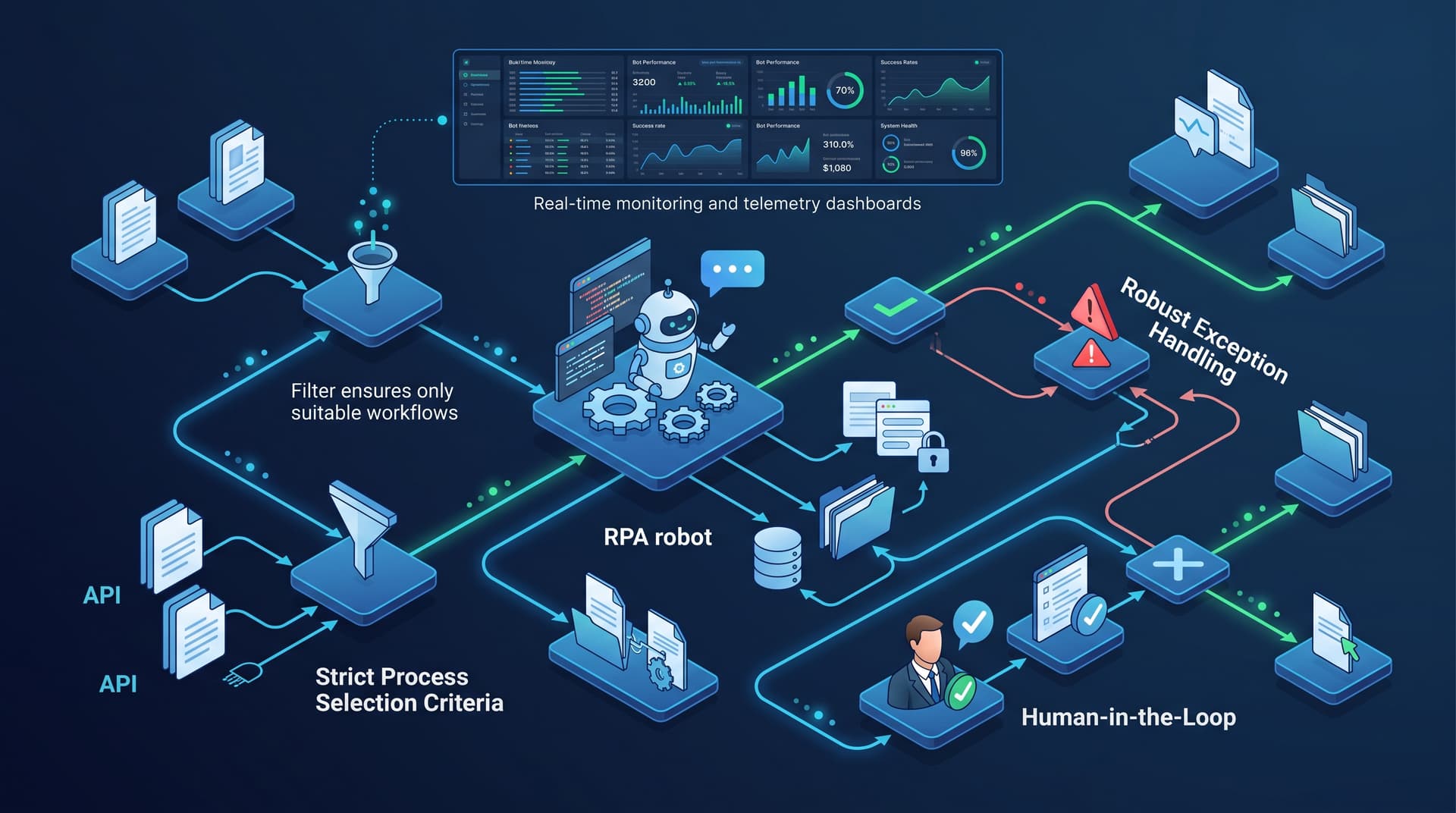
Artificial intelligence and robotic process automation (RPA) have shifted from experimental enterprise technologies to essential growth engines for small and medium-sized businesses (SMBs). For organizations in healthcare, manufacturing, and professional services, AI-powered workflow automation offers unprecedented opportunities to streamline operations and enhance decision-making.
However, deploying intelligent process automation requires more than just adopting new software. It demands a strategic approach to implementation and a rigorous commitment to data security.
Transforming Professional Services with Intelligent Automation
In professional services, time is the ultimate currency. AI and RPA allow firms to automate high-volume, low-complexity tasks, freeing up human capital for strategic client advisory.
- Automated Client Onboarding: RPA bots can extract data from intake forms, cross-reference compliance databases, and automatically populate CRM systems.
- AI-Driven Decision Making: Machine learning algorithms analyze historical project data to improve resource allocation, predict project bottlenecks, and optimize billing cycles.
Enhancing Healthcare Operations and Patient Experiences
Healthcare SMBs face the dual challenge of improving patient care while managing complex administrative overhead. AI-powered workflow automation directly addresses these operational friction points.
- Intelligent Scheduling: AI systems can predict patient no-shows and dynamically adjust scheduling to maximize clinic utilization.
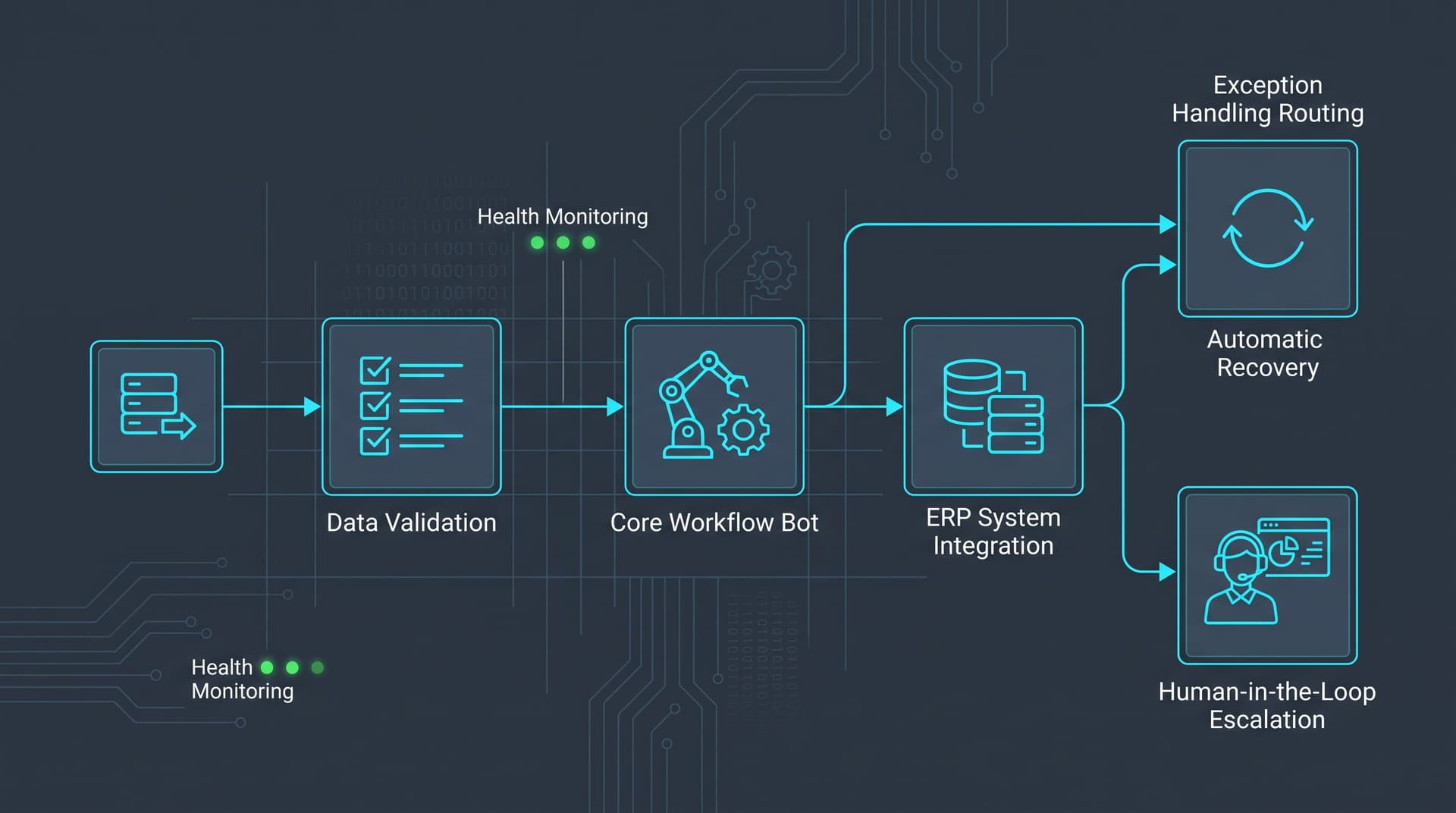
- Revenue Cycle Automation: RPA drastically reduces billing errors by automatically verifying insurance eligibility, submitting claims, and flagging exceptions for human review.
Driving Manufacturing Agility with Machine Learning
For mid-market manufacturers, machine learning applications are revolutionizing supply chain management and shop floor efficiency.
- Predictive Maintenance: Machine learning models analyze sensor data from production equipment to detect anomalies, scheduling maintenance before costly breakdowns occur.
- Supply Chain Optimization: AI-driven forecasting models analyze market trends and historical demand, automating inventory replenishment and reducing overhead.
Securing AI Adoption: Zero Trust and Azure M365
The foundation of any successful AI implementation is data. Because AI systems require access to vast amounts of sensitive organizational information, they inherently expand your attack surface. Securing these environments requires a modern, identity-centric approach.
Implementing a Zero Trust architecture ensures that every access request—whether from a human employee or an automated RPA bot—is continuously verified. By integrating AI initiatives within the Azure M365 security framework, SMBs benefit from:
- Data Loss Prevention (DLP): Azure M365 ensures that AI models do not inadvertently expose sensitive patient records, financial data, or proprietary manufacturing schematics.
- Identity and Access Management (IAM): Strict access controls ensure that AI workflows only process data they are explicitly authorized to handle.
- Continuous Threat Monitoring: Automated security protocols detect and isolate anomalous behavior within AI-driven systems in real time.
Conclusion
Integrating AI and automation into your business processes is no longer just about cutting costs; it is about building a resilient, agile, and competitive organization. By aligning intelligent process automation with robust Zero Trust security frameworks, SMBs can confidently embrace the future of work.
Ready to operationalize AI for your organization without compromising on security? Book a discovery call with Bitscaled today to explore tailored automation strategies for your business.