Beyond the Buzzword: Practical Cloud-First Strategies for SMB Modernization
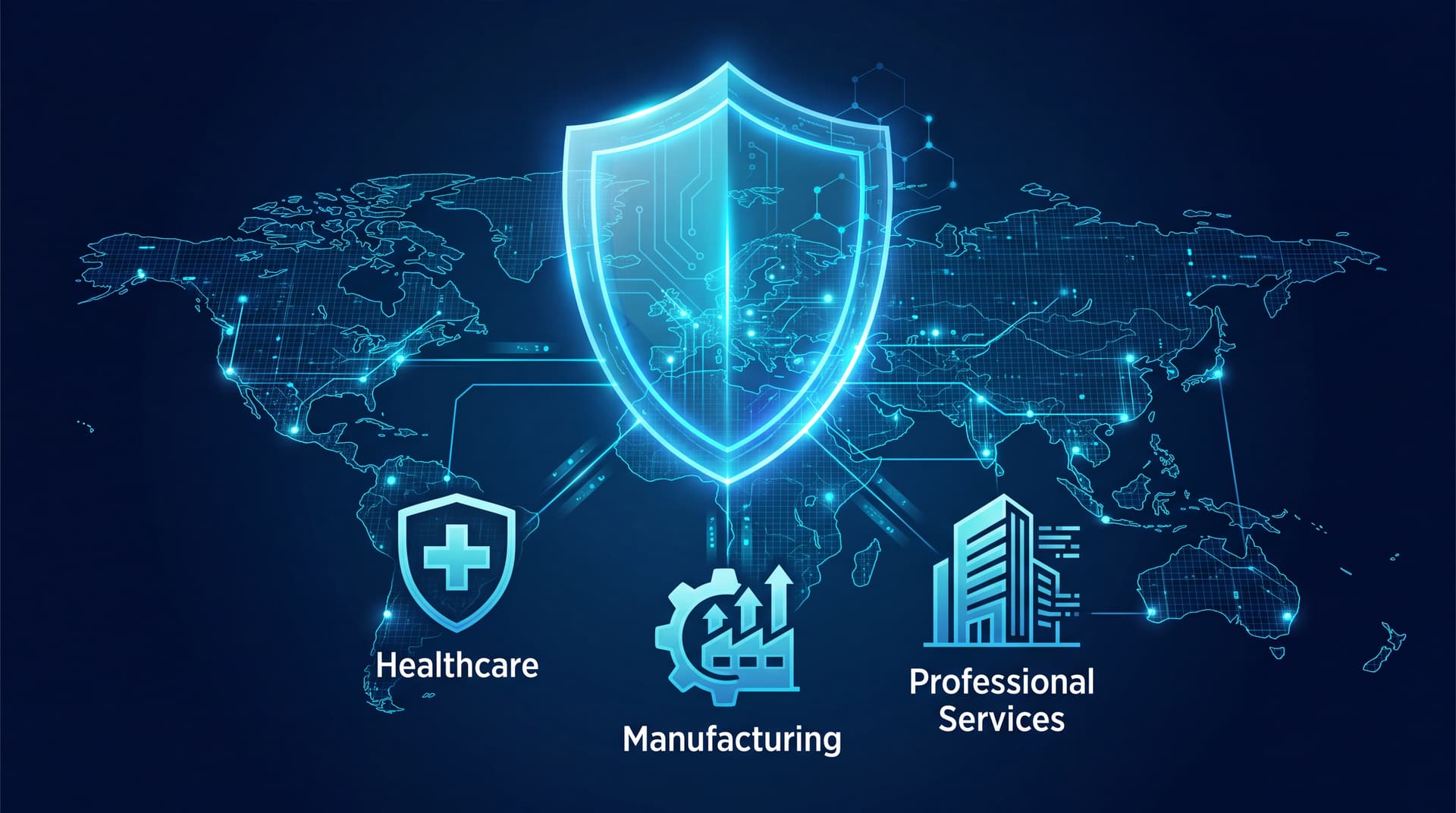
For small and medium-sized businesses (SMBs) in healthcare, manufacturing, and professional services, digital transformation is no longer a corporate luxury—it is a baseline requirement for survival and growth. As client expectations evolve and operational complexities increase, relying on legacy systems creates friction that stifles scalability. Modernization is the key to unlocking data-driven decision-making, streamlining workflows, and delivering exceptional customer experiences.
Here is a practical, actionable look at how SMBs can successfully navigate technology adoption and modernize their operations.
1. Retiring Legacy Systems to Eliminate Data Silos
Legacy infrastructure often forces teams to work in isolated environments. In healthcare, this might mean disconnected patient management systems; in manufacturing, it looks like supply chain tools that do not communicate with the production floor.
Modernization starts with a cloud-first strategy that integrates these fragmented systems. By migrating to unified cloud platforms, businesses can centralize their data. This shift not only accelerates daily operations but also establishes a foundation for advanced analytics, allowing leaders to make proactive, data-driven decisions rather than reacting to outdated reports.
2. Digitizing Workflows for Unmatched Efficiency
Professional services firms and manufacturing floors alike benefit immensely from workflow digitization. Manual data entry, paper-based approvals, and redundant administrative tasks drain productivity.
Implementing automated workflows allows your team to focus on high-value tasks. For example:
- Healthcare: Automated appointment scheduling and secure digital intake forms reduce administrative overhead.
- Manufacturing: Real-time inventory tracking and automated procurement alerts prevent production bottlenecks.
- Professional Services: Cloud-based collaboration tools and automated billing cycles improve cash flow and client transparency.
3. Securing the Journey: Zero Trust and Azure M365
A common hesitation surrounding digital transformation is the potential expansion of cyber risk. As you digitize workflows and move data to the cloud, your security posture must evolve accordingly.
Implementing a Zero Trust security framework is essential. Zero Trust operates on the principle of 'never trust, always verify,' ensuring that every user, device, and application is authenticated before accessing your network.
Microsoft Azure and Microsoft 365 (M365) provide a robust ecosystem for this exact purpose. By leveraging Azure Active Directory (Entra ID) for identity management, multi-factor authentication (MFA), and Microsoft Intune for mobile device management, businesses can securely empower remote and hybrid workforces. This ensures that sensitive patient records, proprietary manufacturing designs, and confidential client data remain protected against sophisticated threats.
4. Transforming the Customer and Patient Experience
Ultimately, digital transformation should directly benefit your end-users. A modern technology stack enables a seamless, frictionless customer experience. Whether it is a secure patient portal offering immediate access to test results, a real-time supply chain dashboard for manufacturing partners, or a streamlined client collaboration hub for professional services, technology adoption bridges the gap between your business and your audience.
Conclusion
Digital transformation is a continuous journey of aligning technology with your strategic business goals. By modernizing legacy systems, digitizing daily workflows, and anchoring your infrastructure in Zero Trust and Azure M365 security, your SMB can achieve unprecedented resilience and agility.
Ready to map out your modernization strategy? Book a discovery call with Bitscaled today to learn how our experts can guide your digital transformation journey.