Securing Inbox Brand Logos: A Strategic Guide to BIMI and Email Authentication
In modern digital communications, recipient inboxes are crowded and heavily targeted by spoofing and brand impersonation attacks. For marketing executives and brand managers, ensuring that legitimate customer engagement communications stand out—and remain demonstrably trustworthy—is paramount. Brand Indicators for Message Identification (BIMI) bridges cybersecurity and marketing by displaying your official, trademarked logo directly next to verified emails in supporting inbox clients.
However, BIMI is not simply an image upload feature. It serves as a visual reward for adopting rigorous email authentication standards that defend your brand against spoofing.
What is BIMI and How Does It Work?
BIMI is an open industry specification that allows domain owners to publish a standardized logo record in their Domain Name System (DNS). When an email provider receives a message from your domain, it verifies your domain's authentication protocols before displaying your visual brand indicator in the recipient's inbox.
The Key Technical Prerequisites
To qualify for BIMI logo display, your organization must satisfy several strict prerequisites:
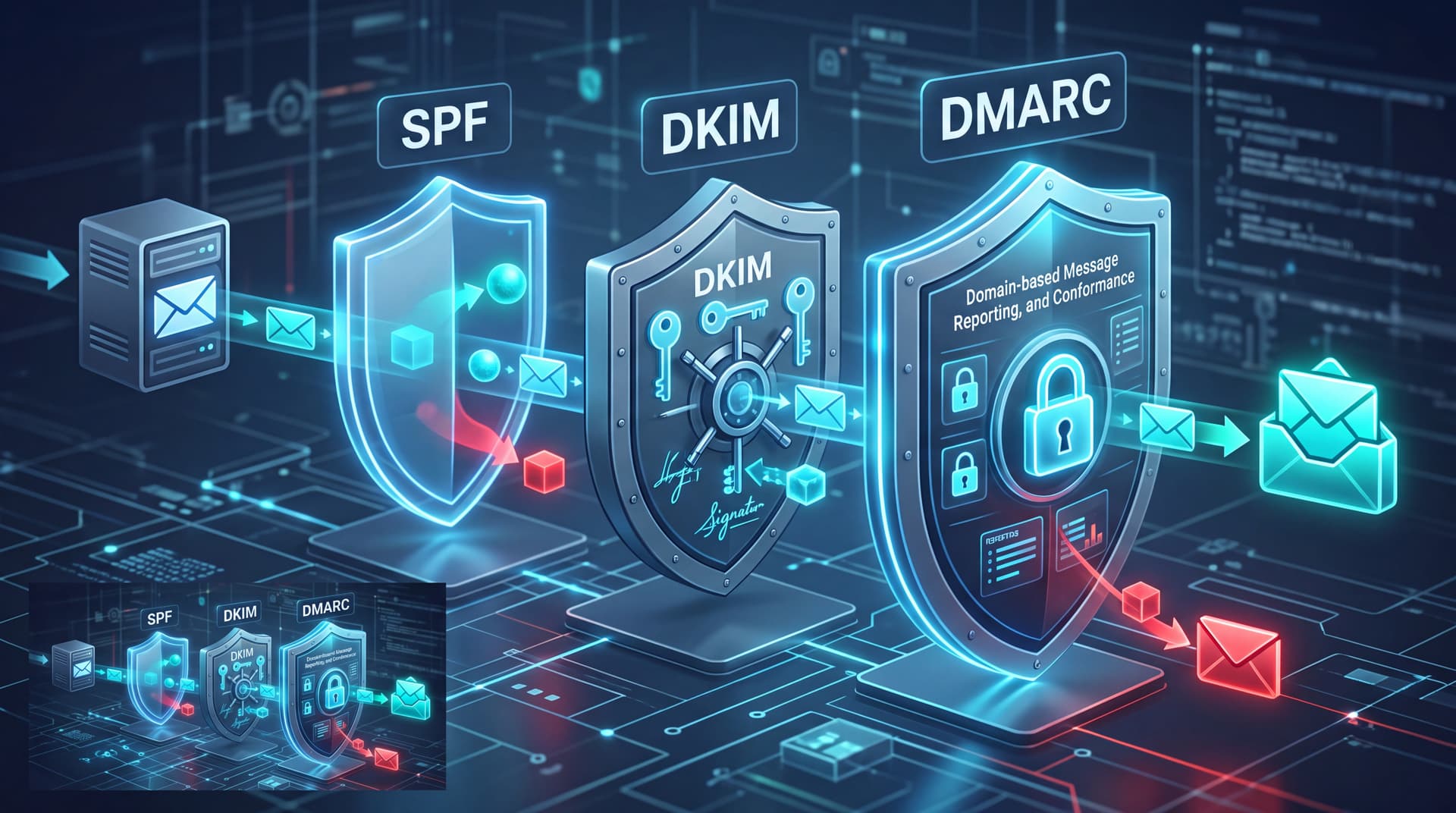
- SPF and DKIM Alignment: Sender Policy Framework (SPF) and DomainKeys Identified Mail (DKIM) must be fully configured and aligned with your sending domain.
- DMARC Enforcement: A published Domain-based Message Authentication, Reporting, and Conformance (DMARC) policy at an enforcement level (
p=quarantinewith 100% percentage orp=reject). - SVG Logo Formatting: A SVG image file formatted specifically according to BIMI standards (SVG Tiny PS specification).
- Verified Mark Certificate (VMC): For display in major mailbox providers such as Gmail and Apple Mail, a VMC issued by an authorized Mark Certification Authority is typically required to prove trademark ownership.
Why DMARC Enforcement is Non-Negotiable
A key barrier to BIMI adoption is the requirement for active DMARC enforcement. Many organizations deploy DMARC only in monitoring mode (p=none), which gathers diagnostic data but takes no action against unauthenticated emails.
To qualify for BIMI, domain policies must transition to active enforcement:
p=quarantine: Directs receiving mail servers to route unauthenticated messages directly to the recipient's spam or junk folder.p=reject: Instructs receiving servers to block fraudulent messages entirely before they reach the inbox.
By mandating DMARC enforcement, BIMI ensures that brand logos are displayed exclusively on messages that pass rigorous anti-spoofing checks, protecting both your brand reputation and your recipients.
Reducing Brand Impersonation and Boosting Engagement
Implementing BIMI delivers measurable impact across security and marketing metrics:
- Brand Impersonation Risk Reduction: Strict DMARC enforcement neutralizes exact-domain spoofing attacks used in Business Email Compromise (BEC) and phishing campaigns.
- Elevated Inbox Recognition: Displaying official logos increases brand recall, open rates, and subscriber confidence in crowded inboxes.
- Standardized Identity Management: Ensures brand presentation remains uniform across all supporting mail clients without relying on generic platform defaults.
Assess Your BIMI Readiness with Bitscaled
Transitioning to full DMARC enforcement without disrupting legitimate email traffic requires careful planning and continuous visibility into your sending ecosystem.
Before publishing your BIMI record, use our free BIMI Brand Check tool to evaluate your DNS records, SPF/DKIM alignment, and DMARC enforcement policy. Once assessed, Bitscaled can help your marketing and security teams align domain policies, secure required certificates, and maintain ongoing deliverability monitoring.
Ready to protect your identity in the inbox? Run your BIMI Brand Check today.